


Southwestern Blankets
Explore Ecuadane's Southwestern Collection – eco-friendly, vibrant, and artisan crafted blankets, inspired by the beauty and warmth of the rich Ecuadorian culture.
18 products
-
Artisan-Made Queen-Sized Blanket - Antisana Earth

 Vendor:Artisan-Made Queen-Sized Blanket - Antisana EarthEcuadane
- Regular price
-
$150.00 - Regular price
-
- Sale price
-
$150.00
Quick view
-
Sumaco Wave Artisan-Crafted Blanket with Southwestern Design
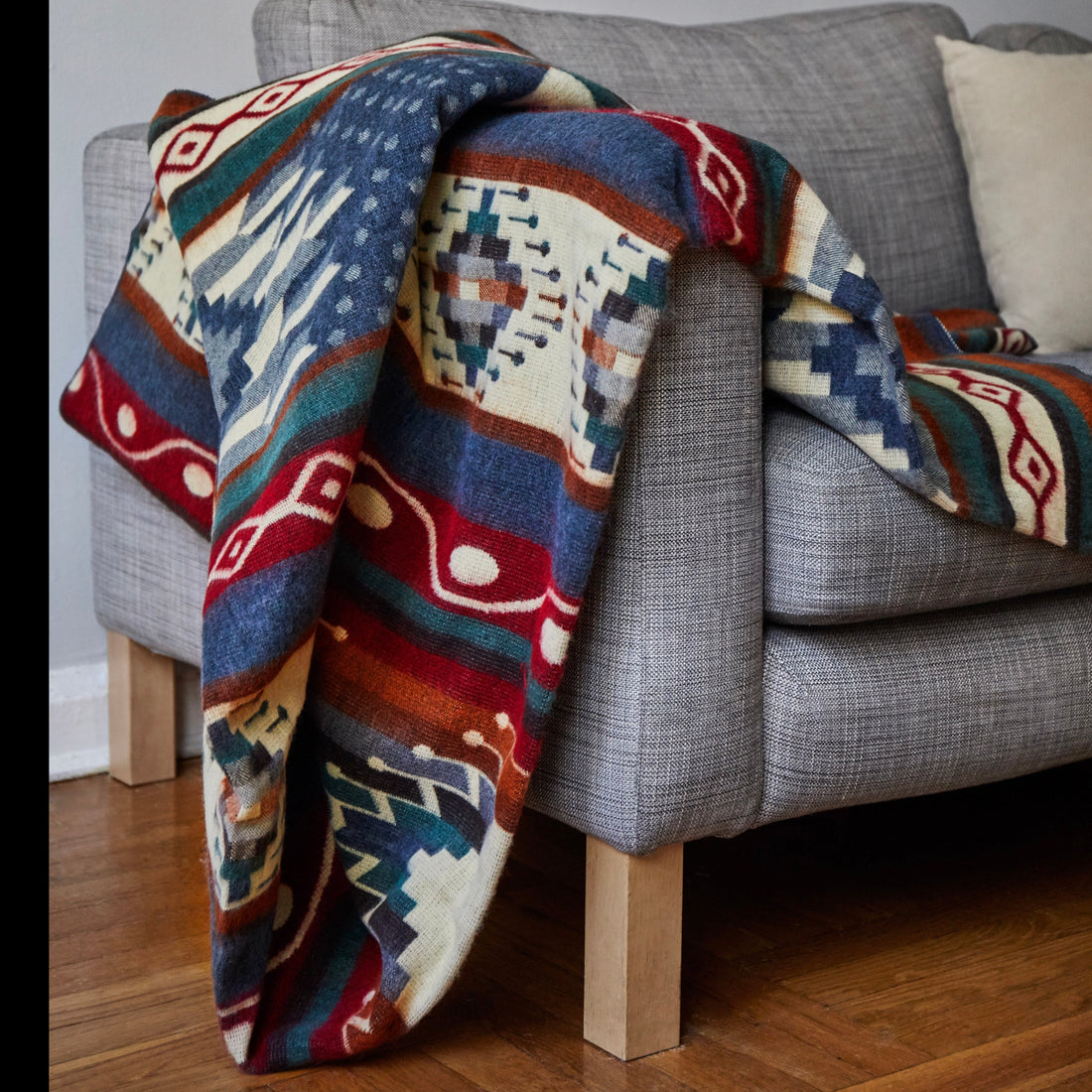
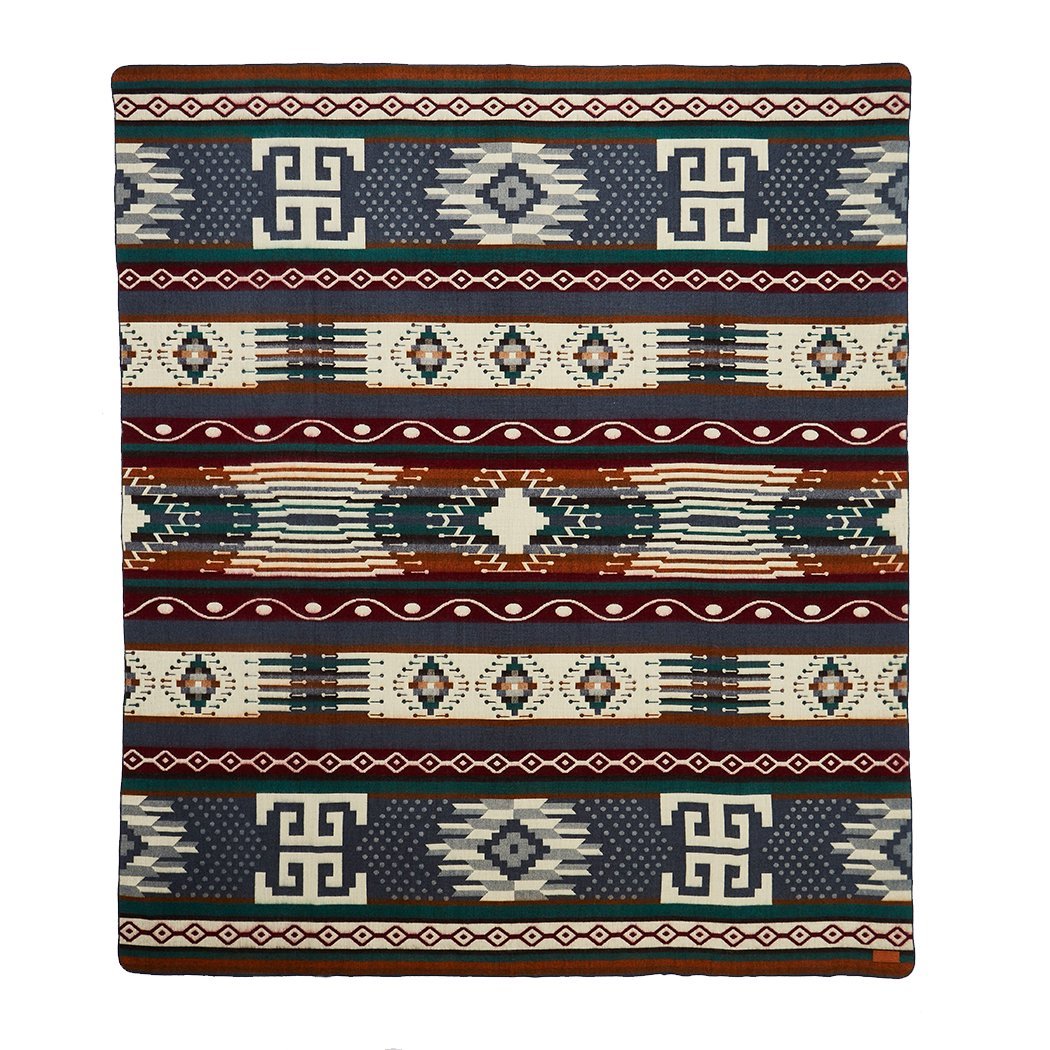 Vendor:Sumaco Wave Artisan-Crafted Blanket with Southwestern DesignEcuadane
- Regular price
-
$150.00 - Regular price
-
- Sale price
-
$150.00
Quick view
-
Artisan-Made Southwestern Queen-Sized Blanket - Andes Beach
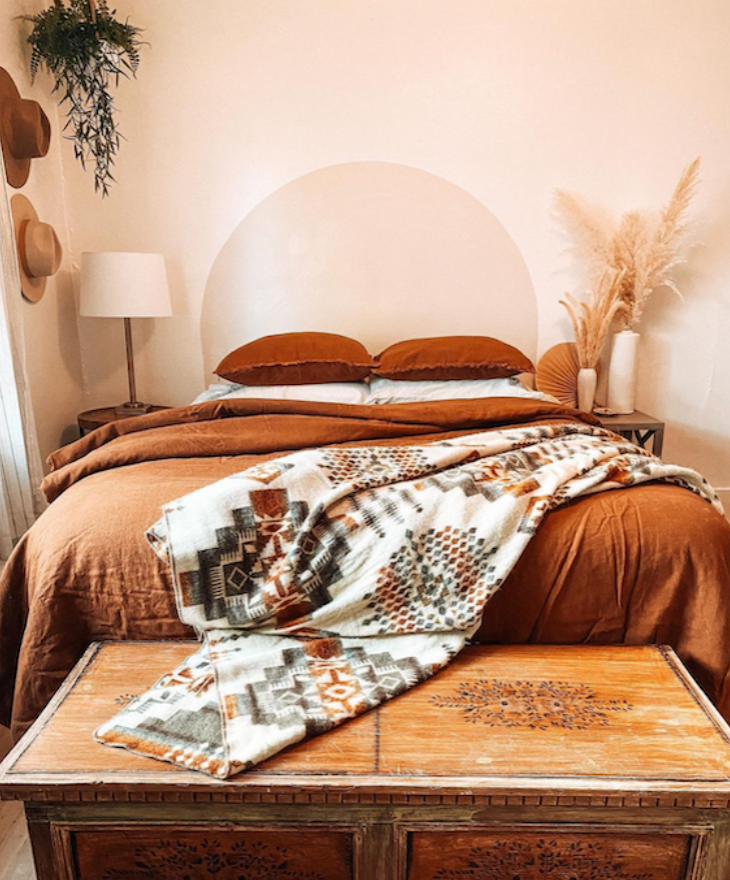
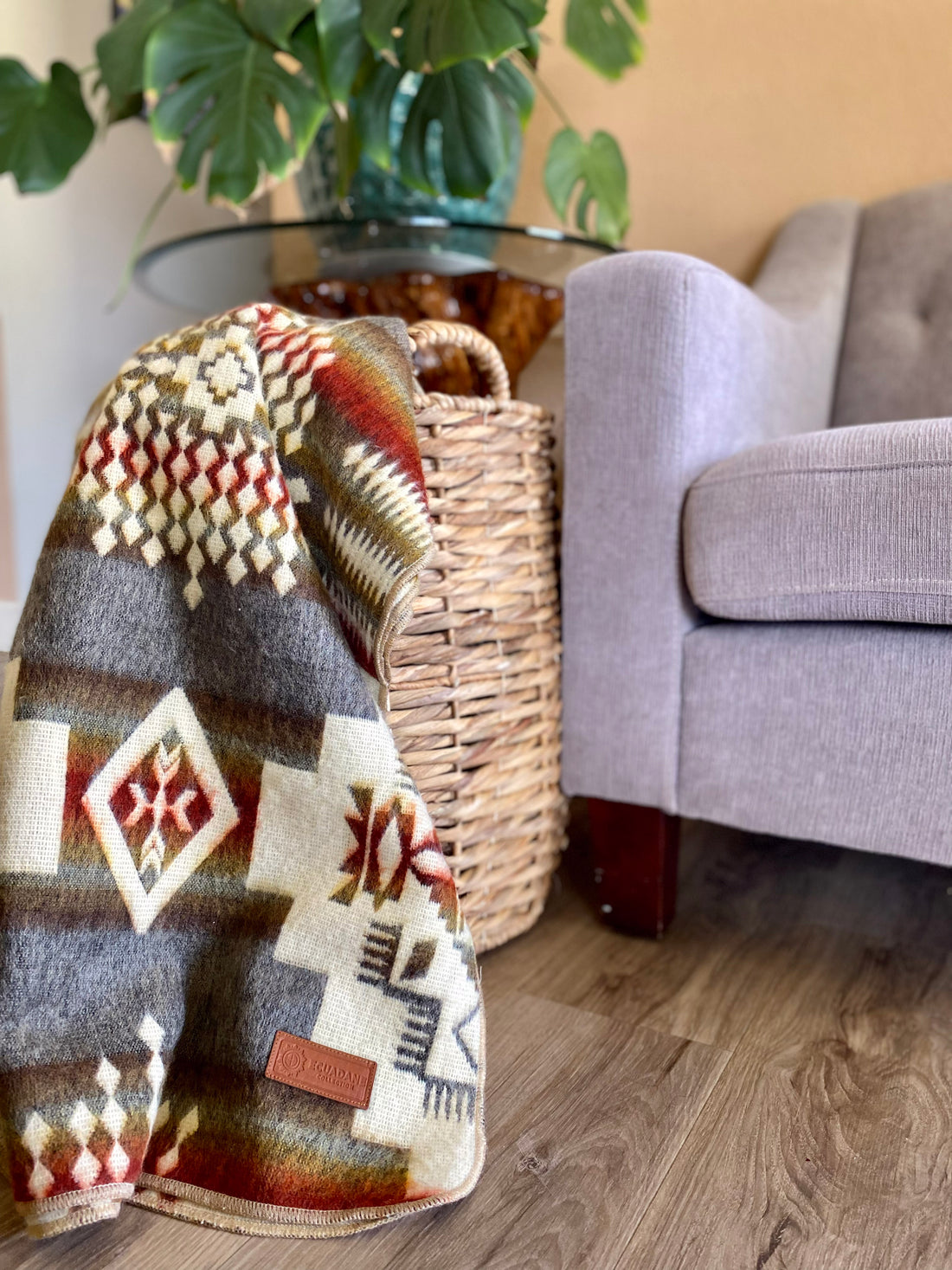 Vendor:Artisan-Made Southwestern Queen-Sized Blanket - Andes BeachEcuadane
- Regular price
-
$150.00 - Regular price
-
- Sale price
-
$150.00
Quick view
-
Artisan-Made Southwestern Blanket - Antisana Sky
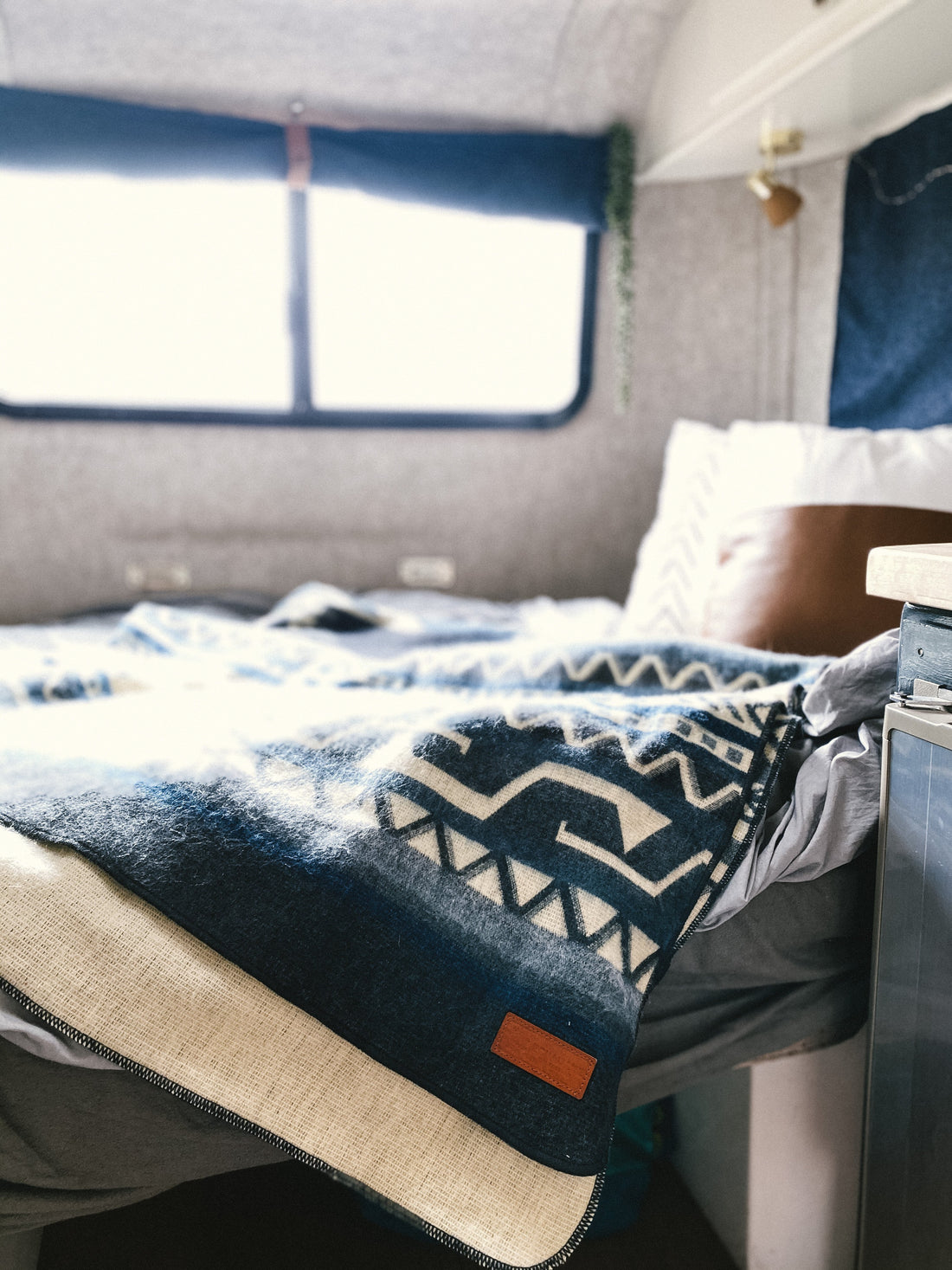
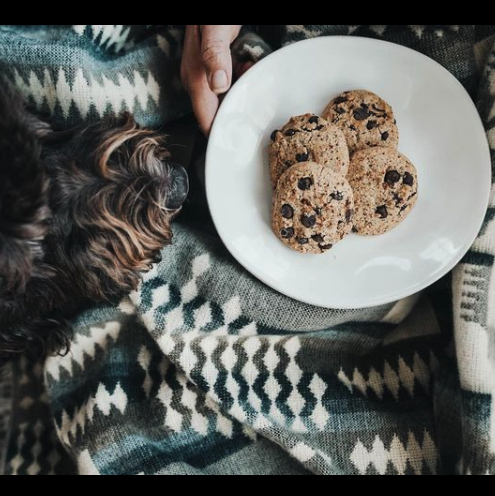 Vendor:Artisan-Made Southwestern Blanket - Antisana SkyEcuadane
- Regular price
-
$150.00 - Regular price
-
- Sale price
-
$150.00
Quick view
-
Artisan-Made Southwestern Queen-Sized Blanket - Andes Storm
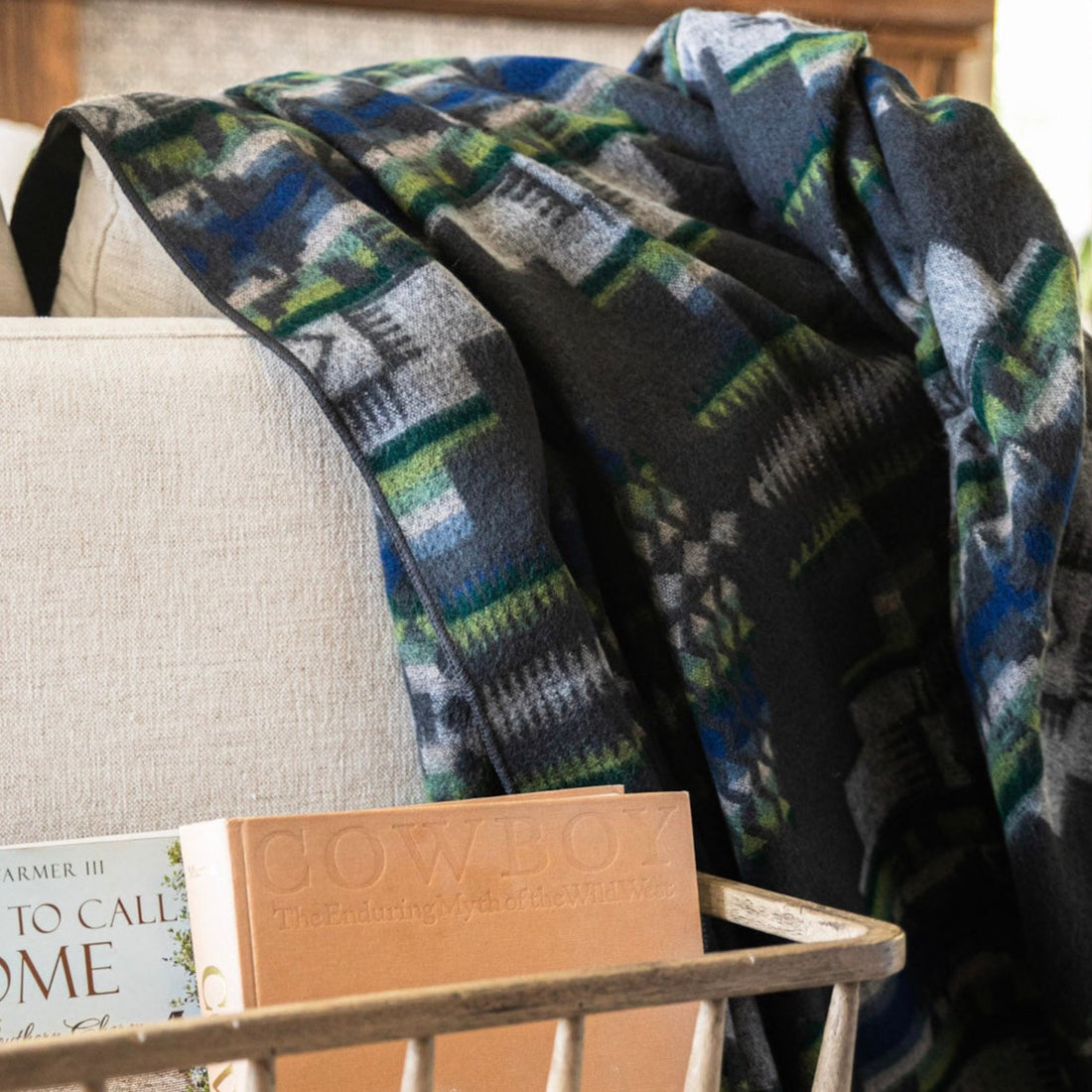
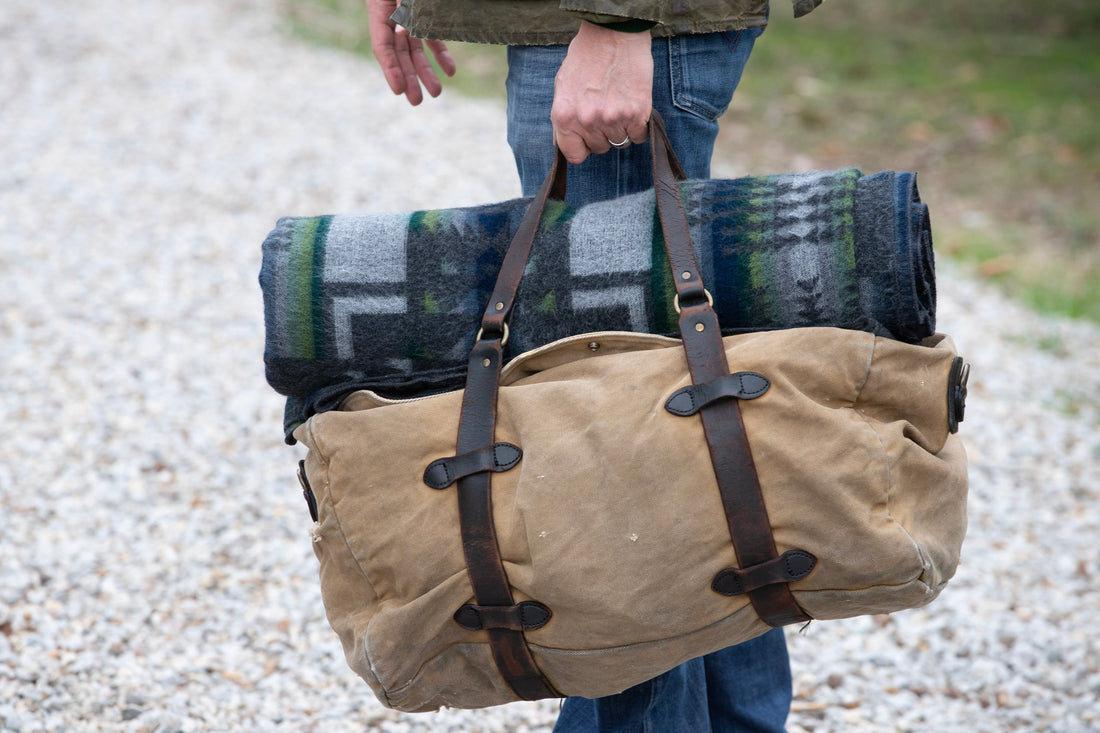 Vendor:Artisan-Made Southwestern Queen-Sized Blanket - Andes StormEcuadane
- Regular price
-
$150.00 - Regular price
-
- Sale price
-
$150.00
Quick view
-
Artisan-Made Southwestern Queen-Sized Blanket - Andes Ocean
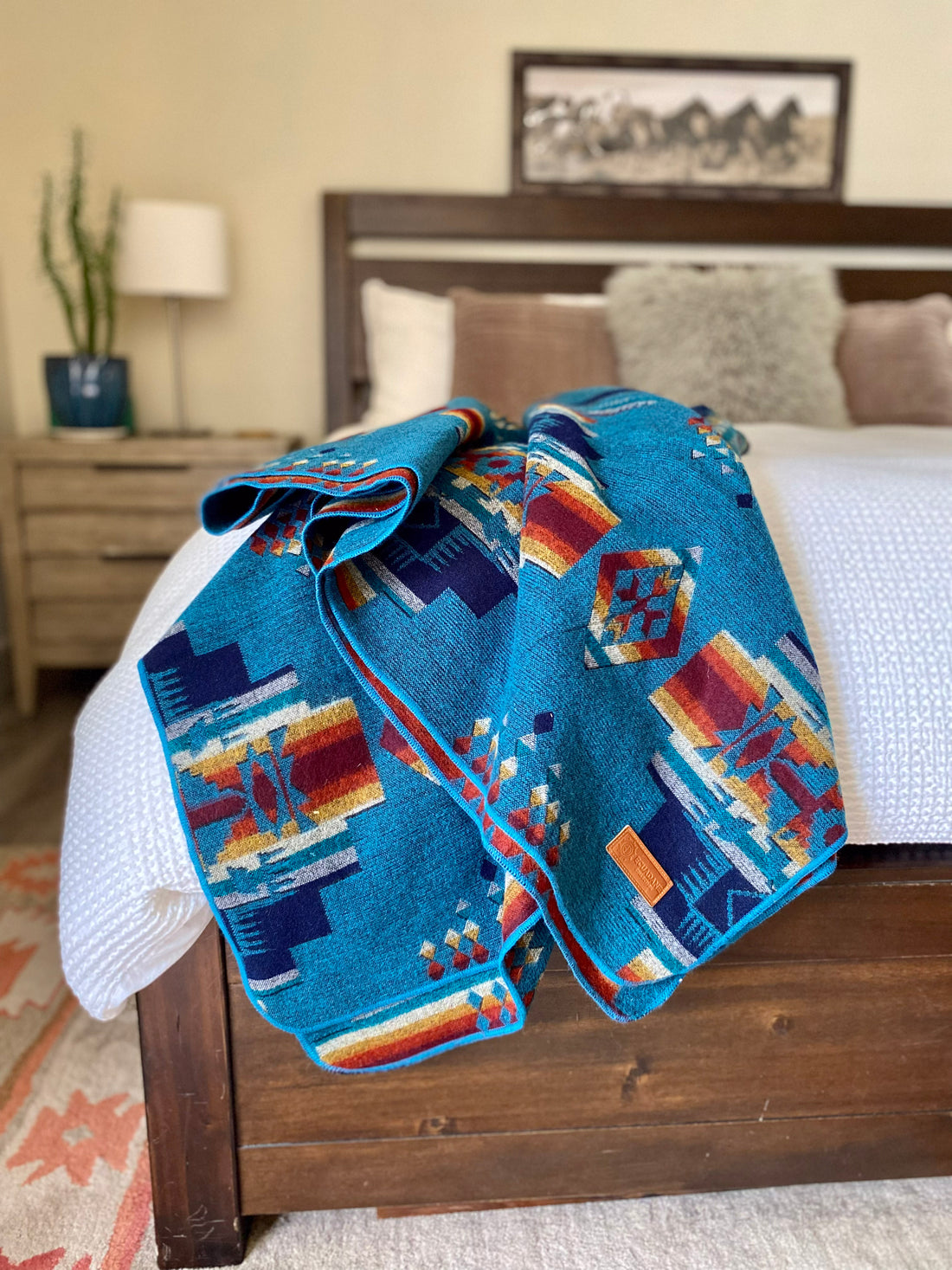
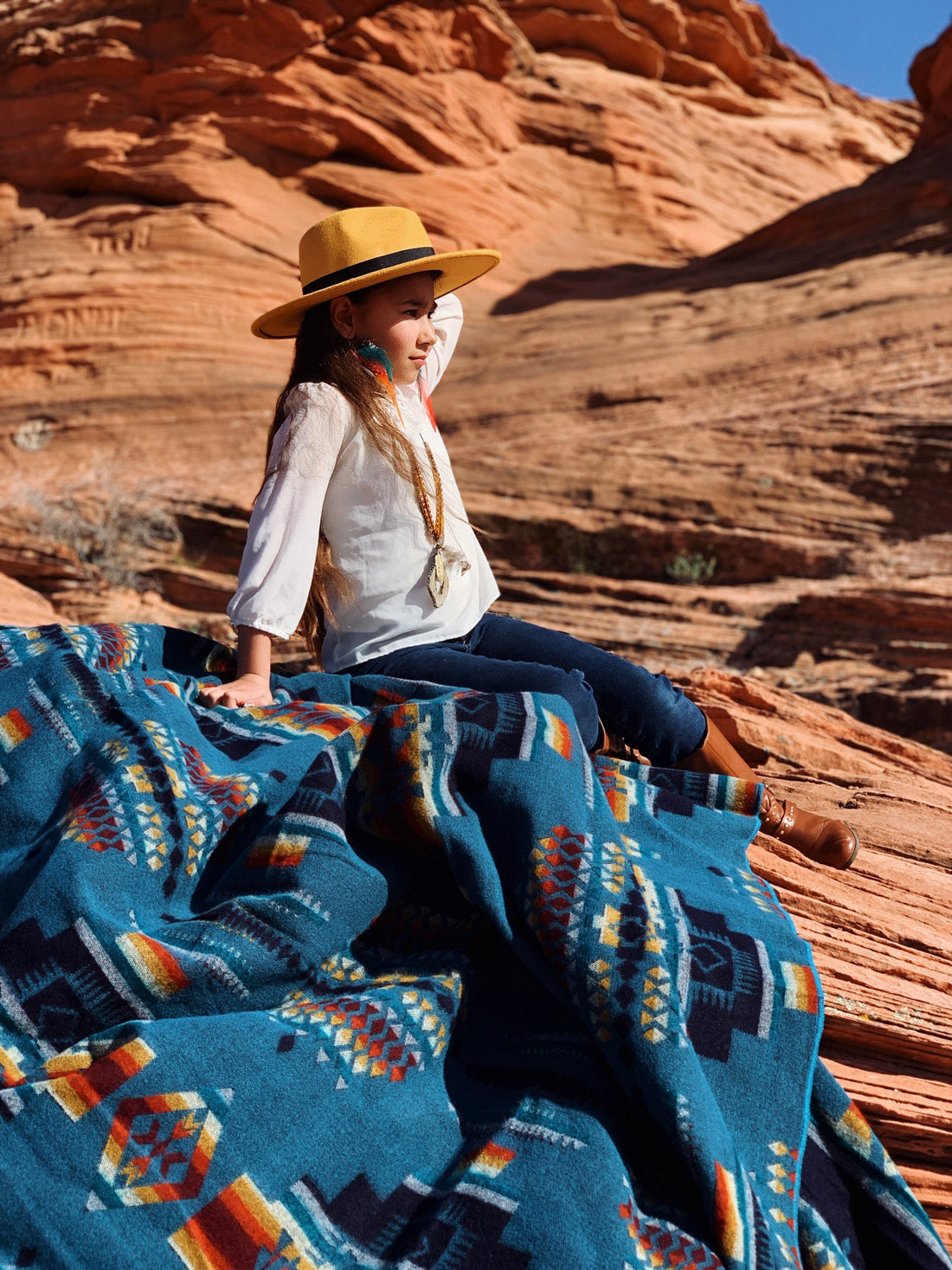 Vendor:Artisan-Made Southwestern Queen-Sized Blanket - Andes OceanEcuadane
- Regular price
-
$150.00 - Regular price
-
- Sale price
-
$150.00
Quick view
-
Artisan Southwestern Blanket - Cotacachi Water

 Vendor:Artisan Southwestern Blanket - Cotacachi WaterEcuadane
- Regular price
-
$150.00 - Regular price
-
- Sale price
-
$150.00
Quick view
-
Artisan-Made Southwestern Queen-Sized Blanket - Andes Cloud
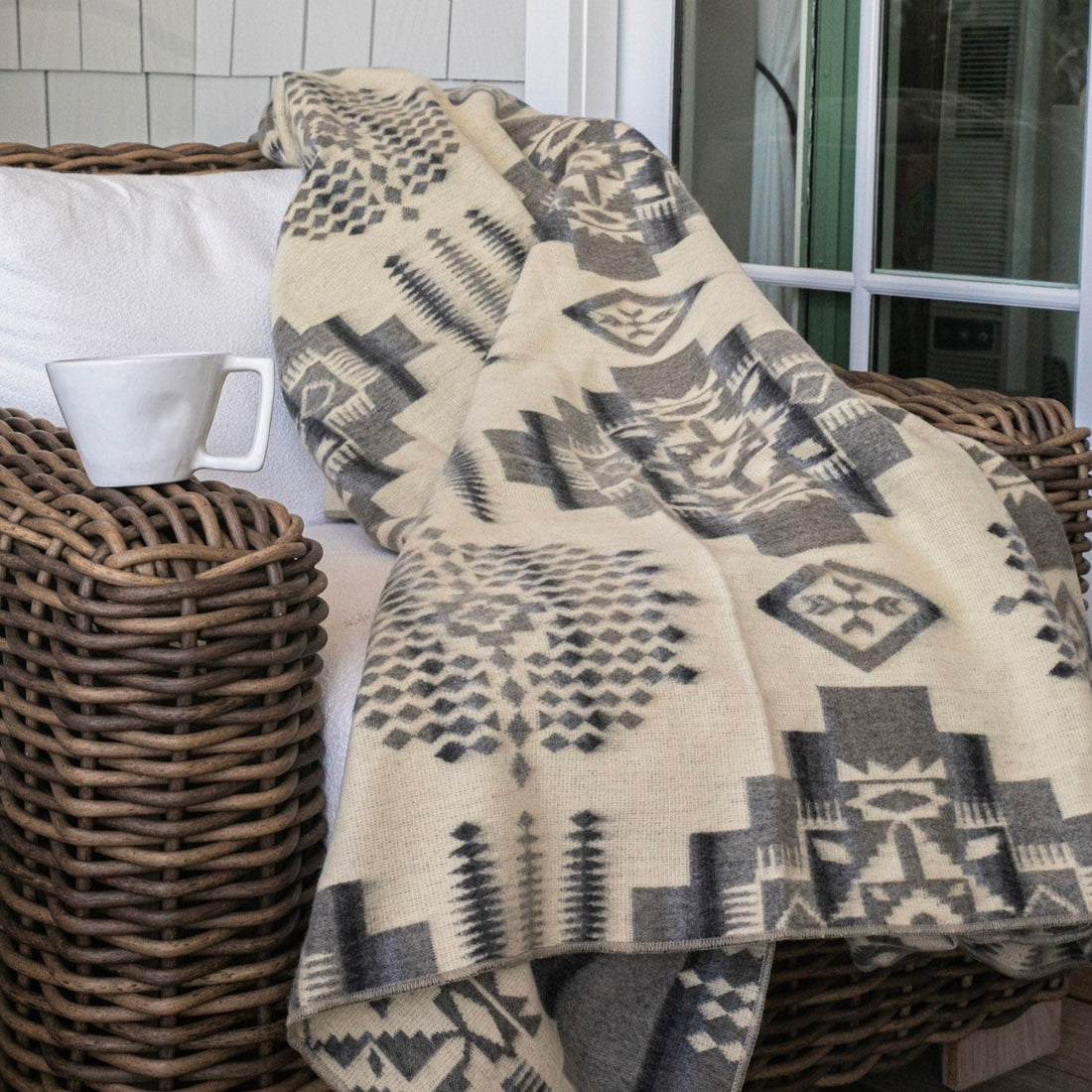
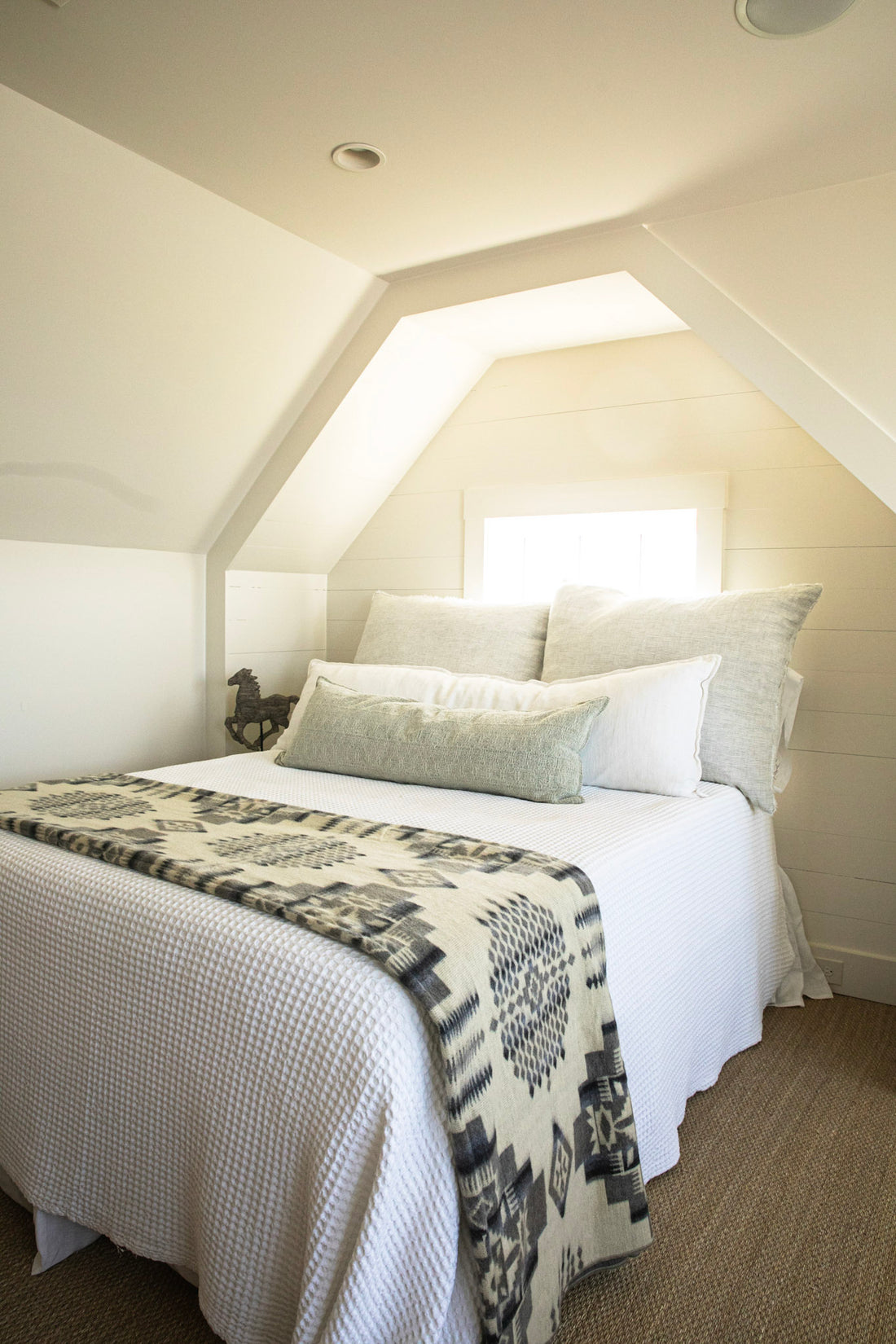 Vendor:Artisan-Made Southwestern Queen-Sized Blanket - Andes CloudEcuadane
- Regular price
-
$150.00 - Regular price
-
- Sale price
-
$150.00
Quick view
-
Artisan-Made Southwestern Queen-Sized Blanket - Andes Cliffside

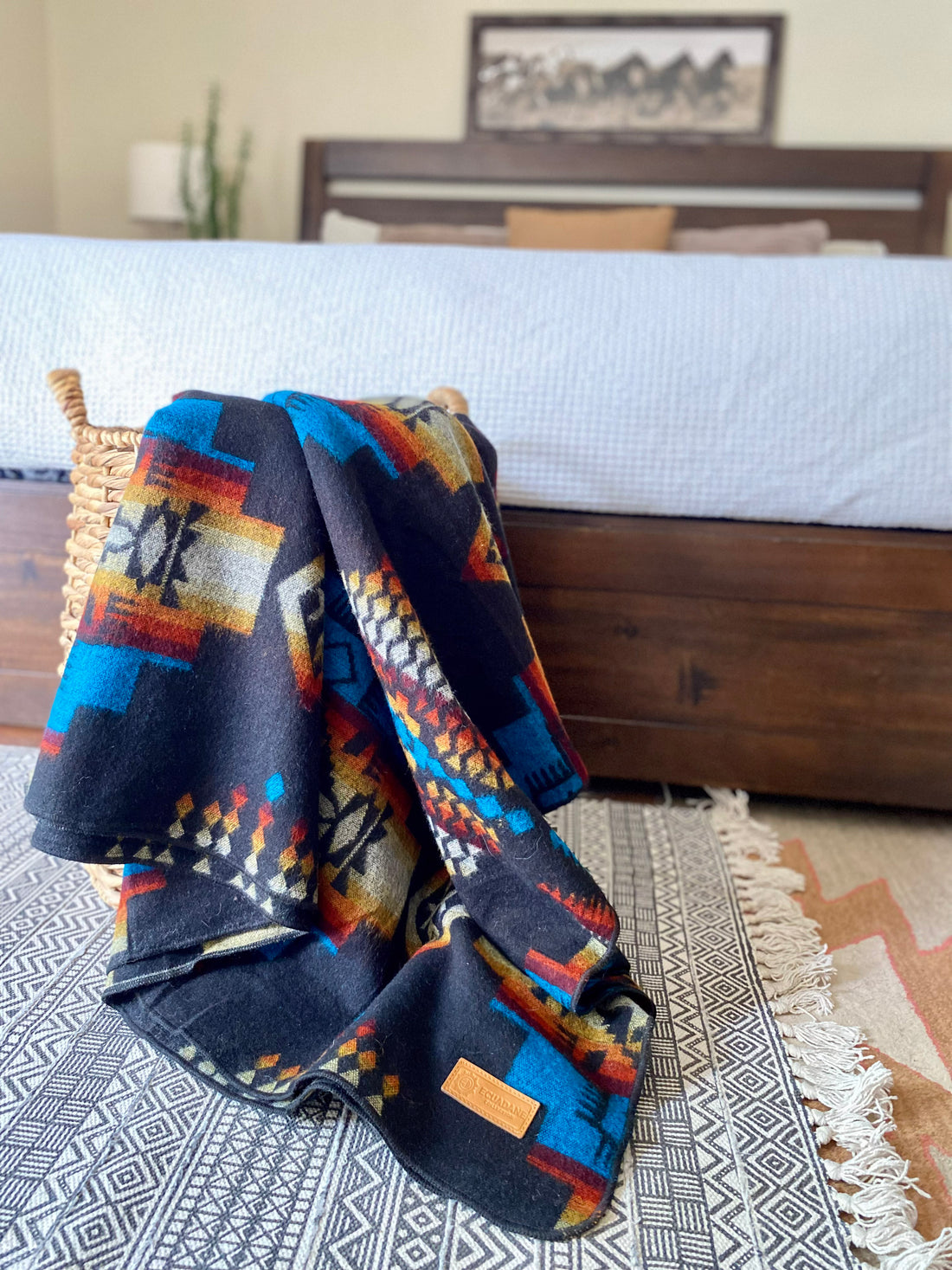 Vendor:Artisan-Made Southwestern Queen-Sized Blanket - Andes CliffsideEcuadane
- Regular price
-
$150.00 - Regular price
-
- Sale price
-
$150.00
Quick view
-
Artisan Southwestern Blanket - Cotacachi Fire
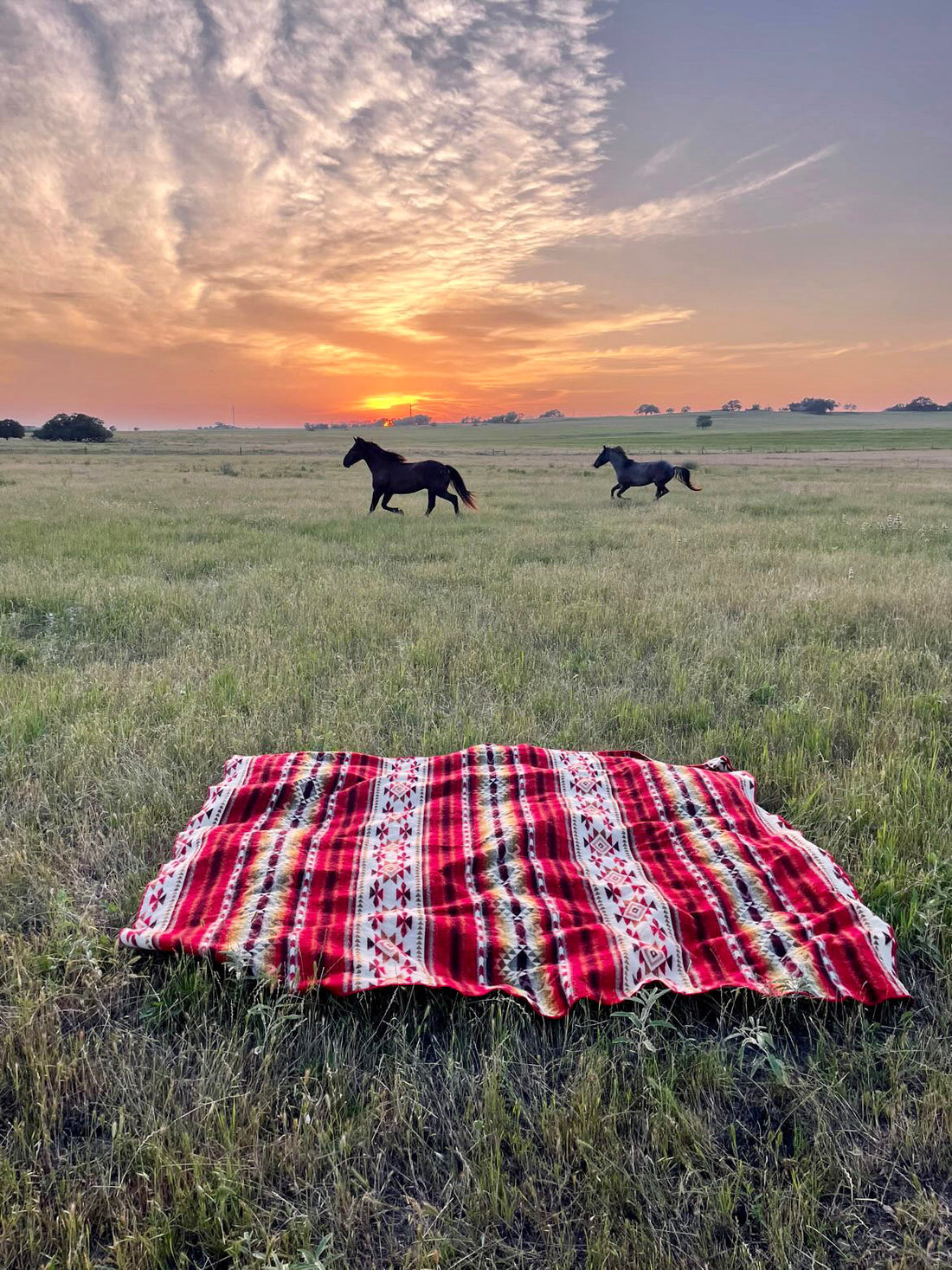
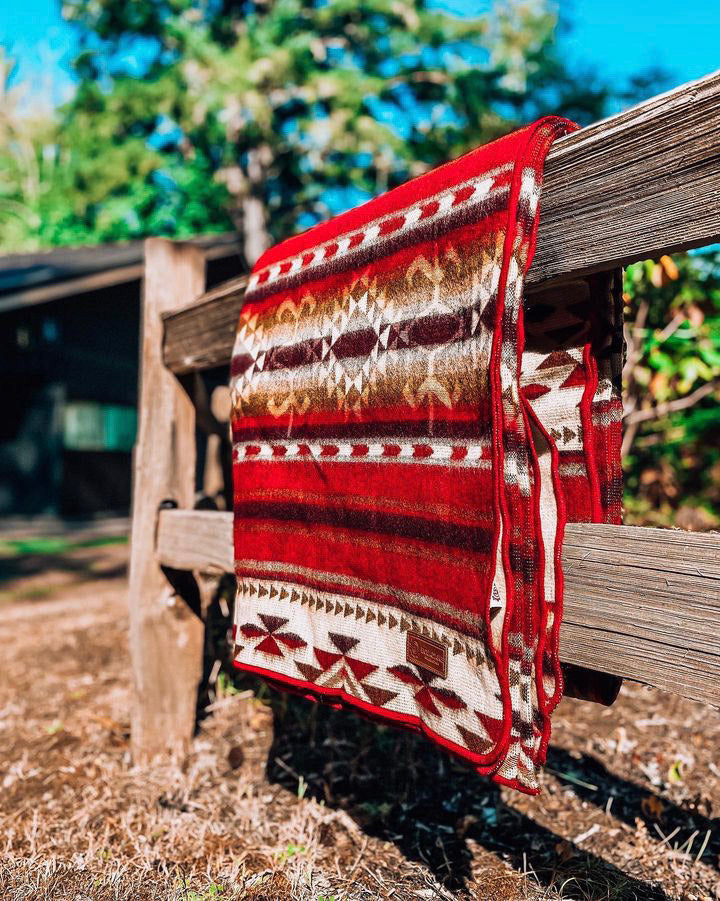 Vendor:Artisan Southwestern Blanket - Cotacachi FireEcuadane
- Regular price
-
$150.00 - Regular price
-
- Sale price
-
$150.00
Quick view
-
Artisan-Made Southwestern Blanket - Mountain Range
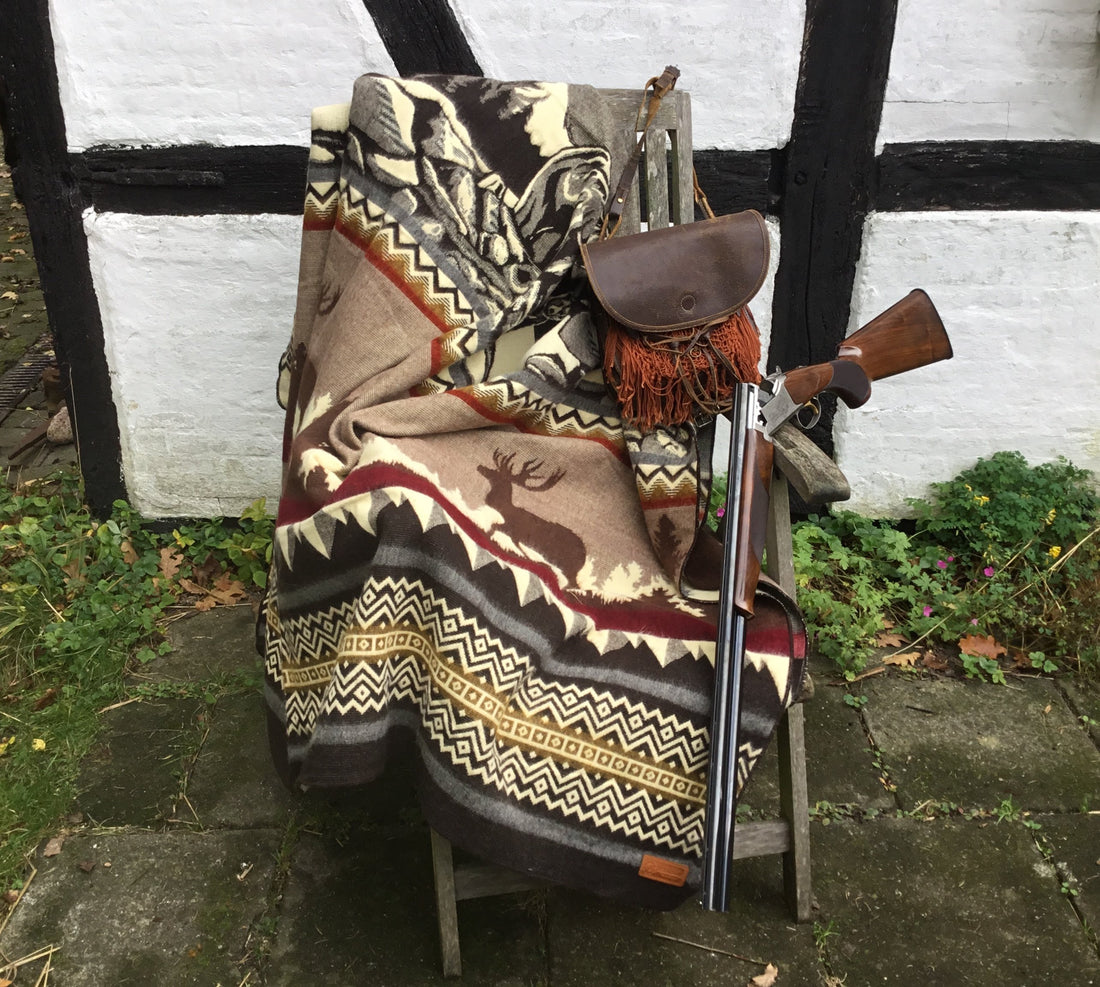
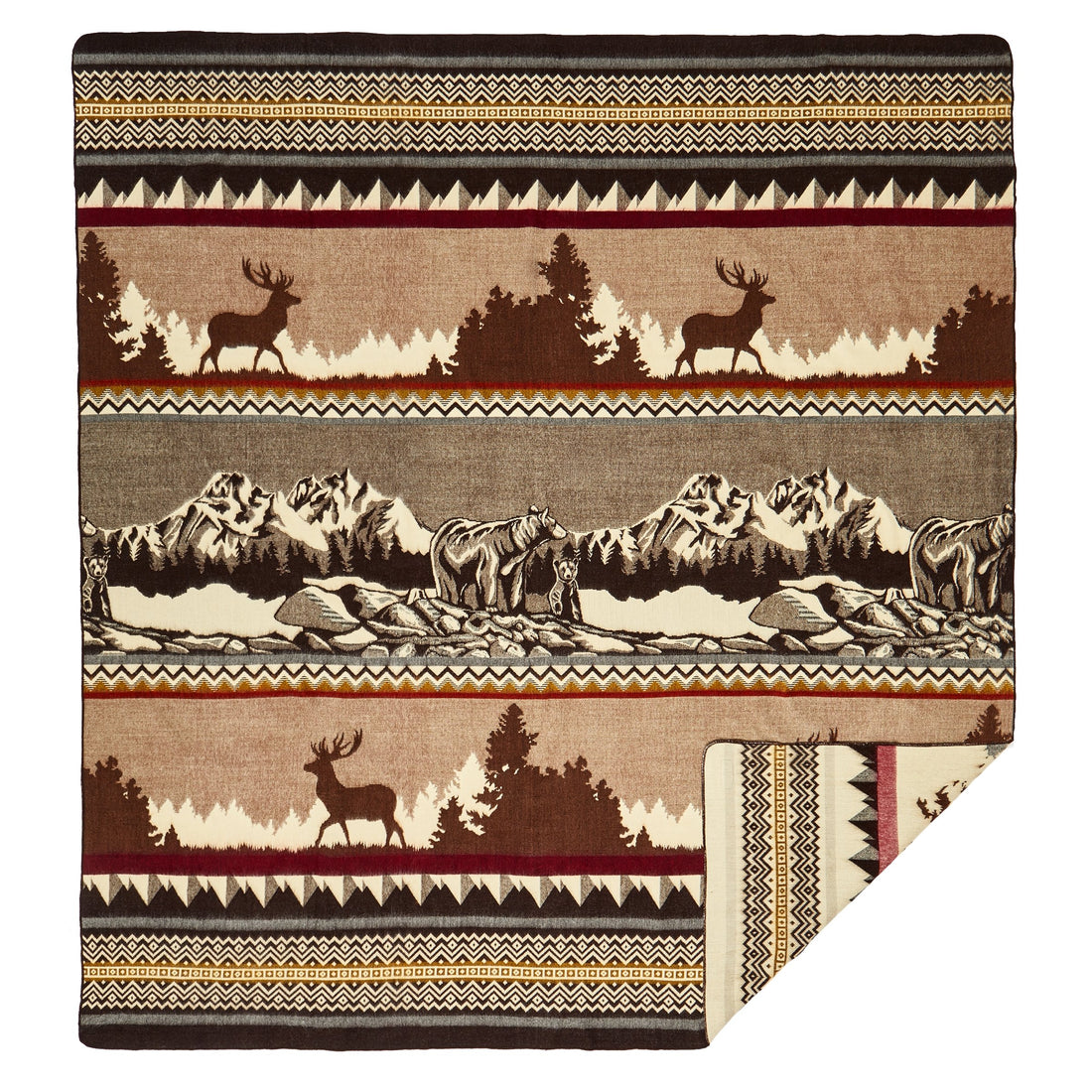 Vendor:Artisan-Made Southwestern Blanket - Mountain RangeEcuadane
- Regular price
-
$150.00 - Regular price
-
- Sale price
-
$150.00
Quick view
-
Artisan-Made Queen-Sized Blanket - Andes Mountain
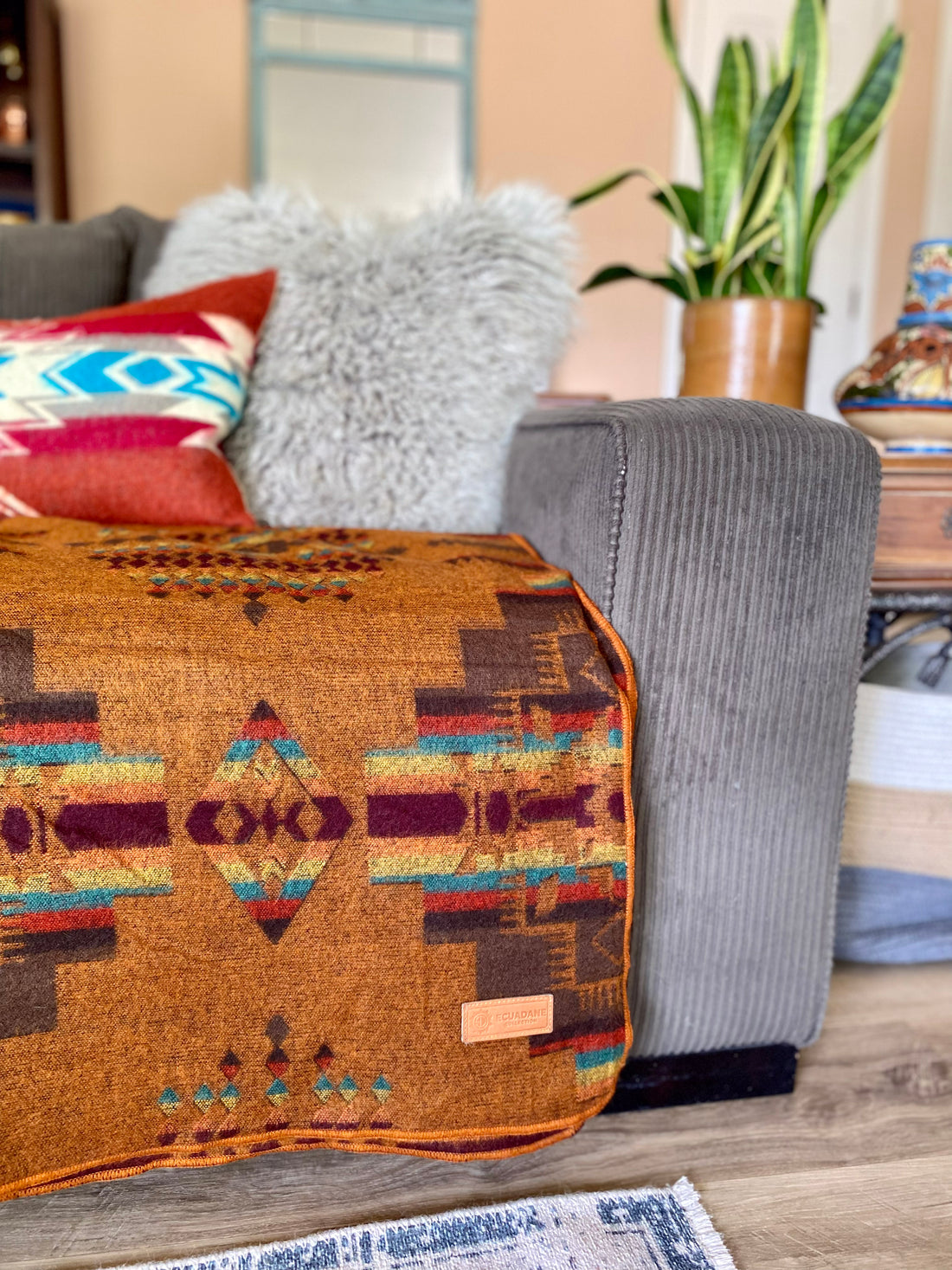
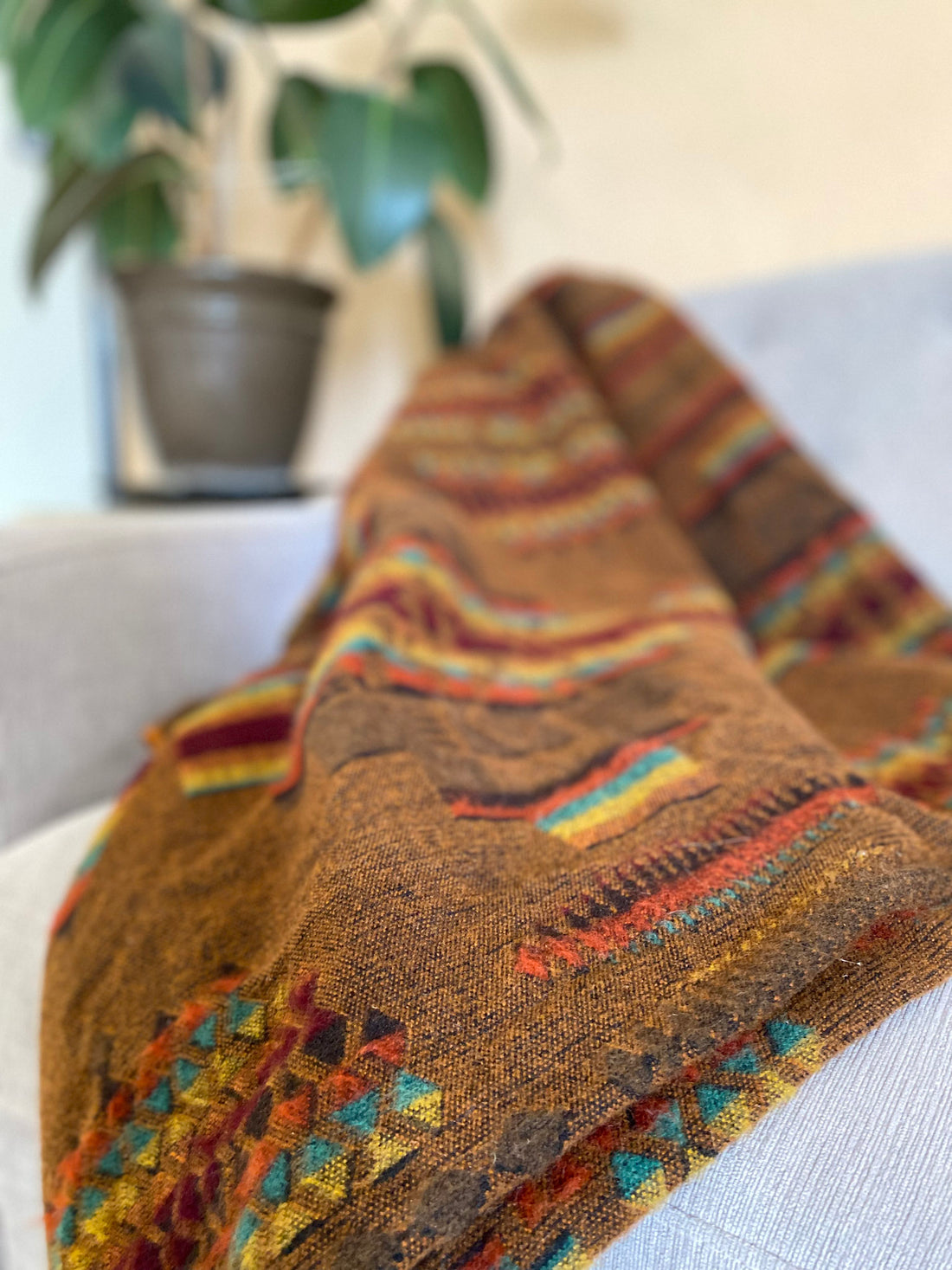 Vendor:Artisan-Made Queen-Sized Blanket - Andes MountainEcuadane
- Regular price
-
$150.00 - Regular price
-
- Sale price
-
$150.00
Quick view
-
Artisan-Made Queen-Sized Blanket - Andes Campfire
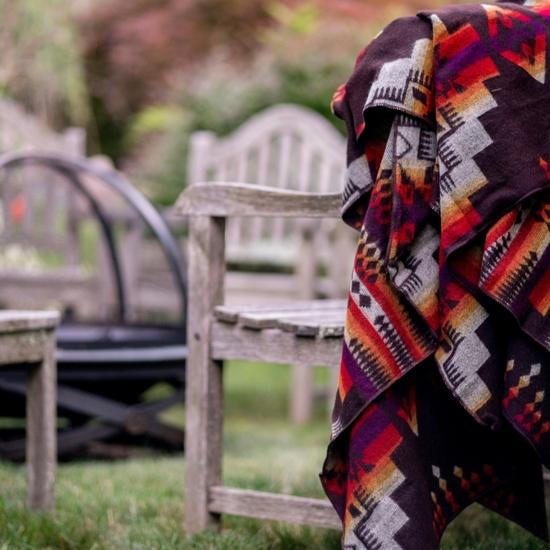
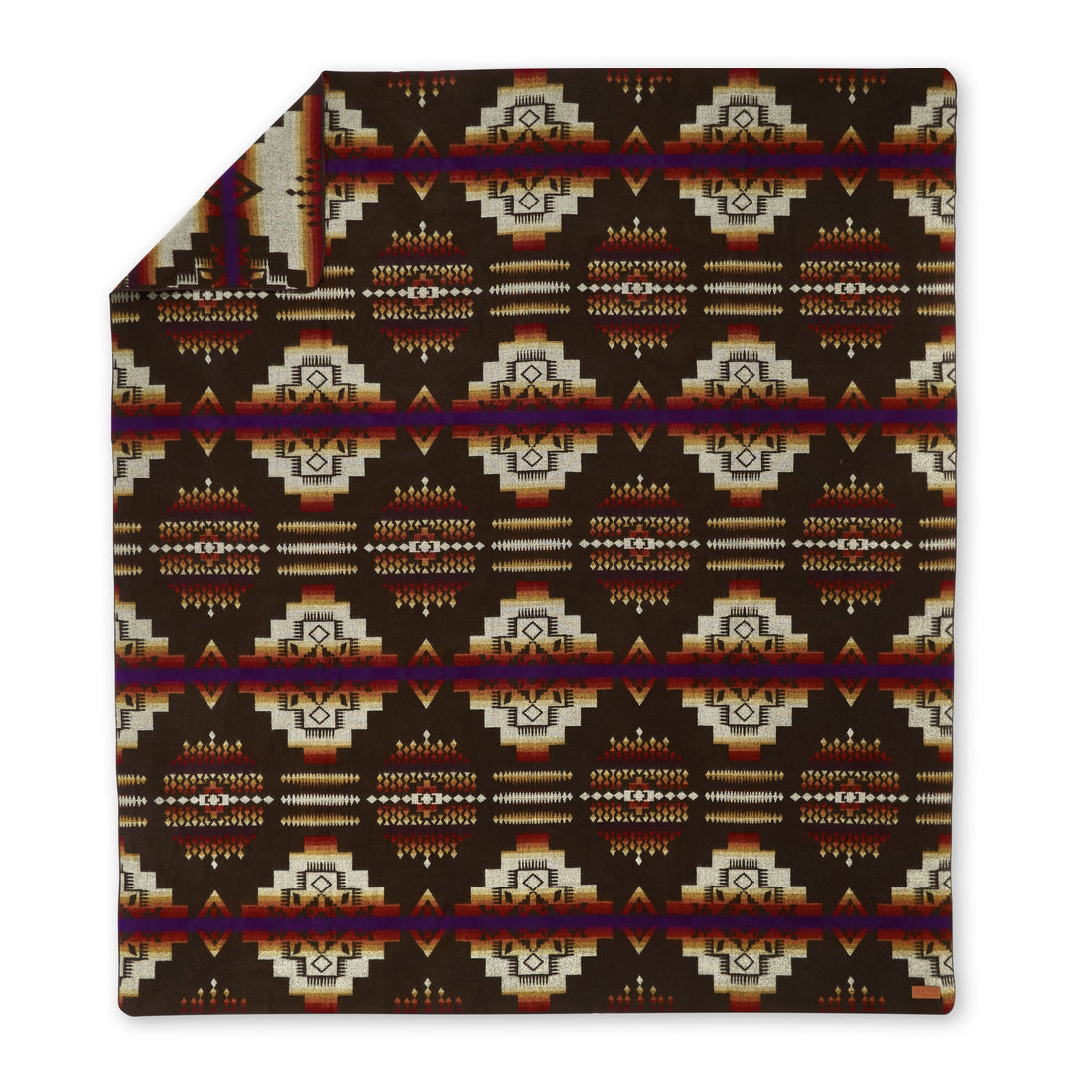 Vendor:Artisan-Made Queen-Sized Blanket - Andes CampfireEcuadane
- Regular price
-
$150.00 - Regular price
-
- Sale price
-
$150.00
Quick view
-
Artisan-Made Queen-Sized Blanket - Andes Midnight
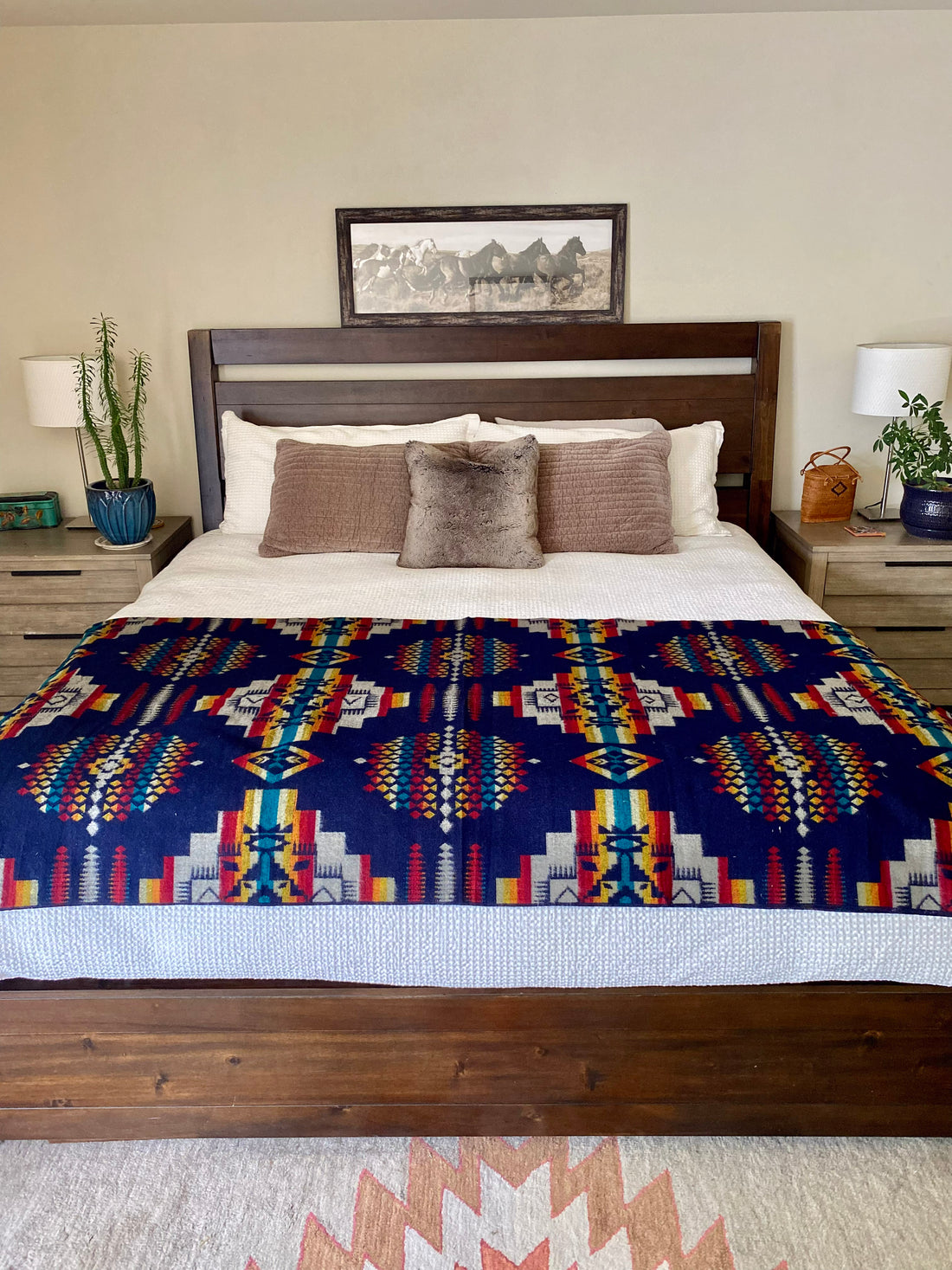
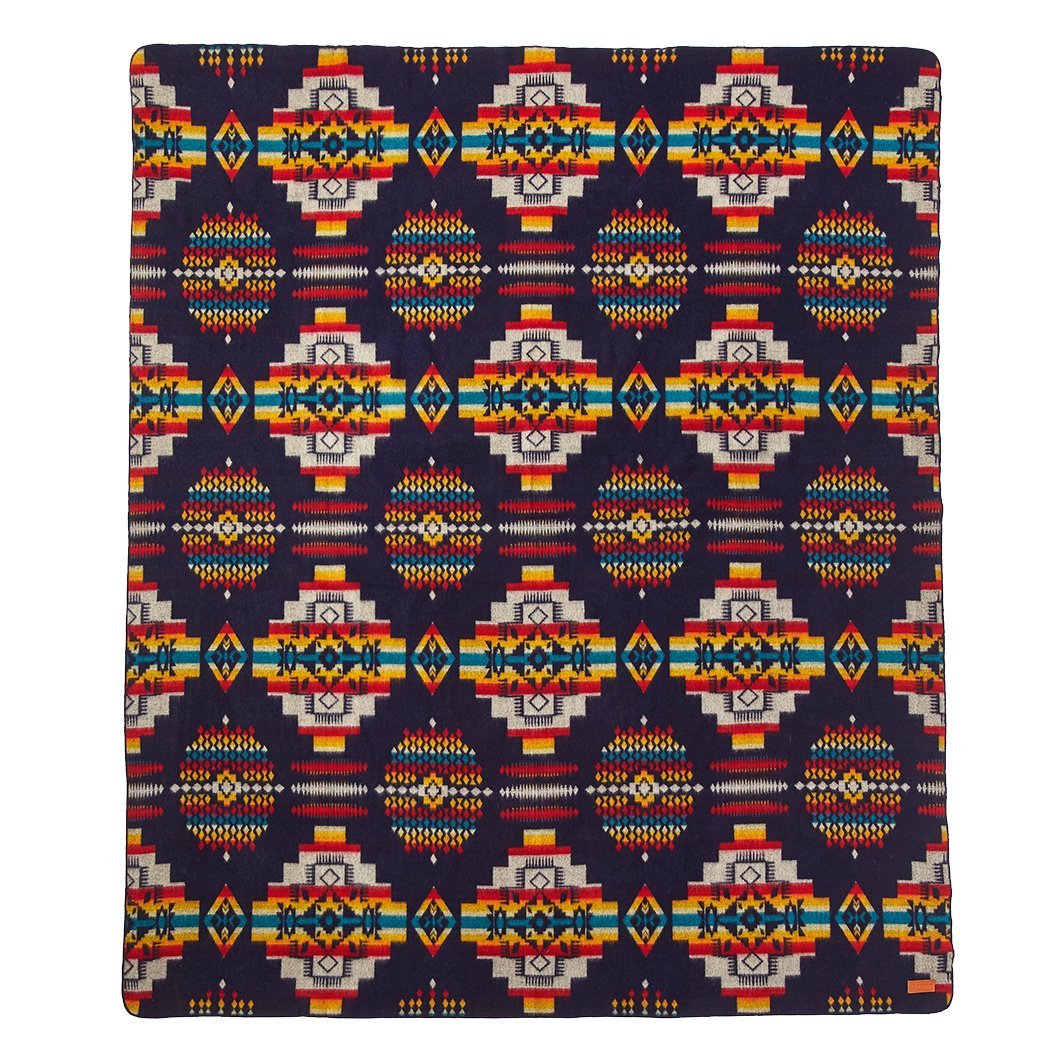 Vendor:Artisan-Made Queen-Sized Blanket - Andes MidnightEcuadane
- Regular price
-
$150.00 - Regular price
-
- Sale price
-
$150.00
Quick view
-
Artisan-Made Southwestern Blanket - Andes Autumn
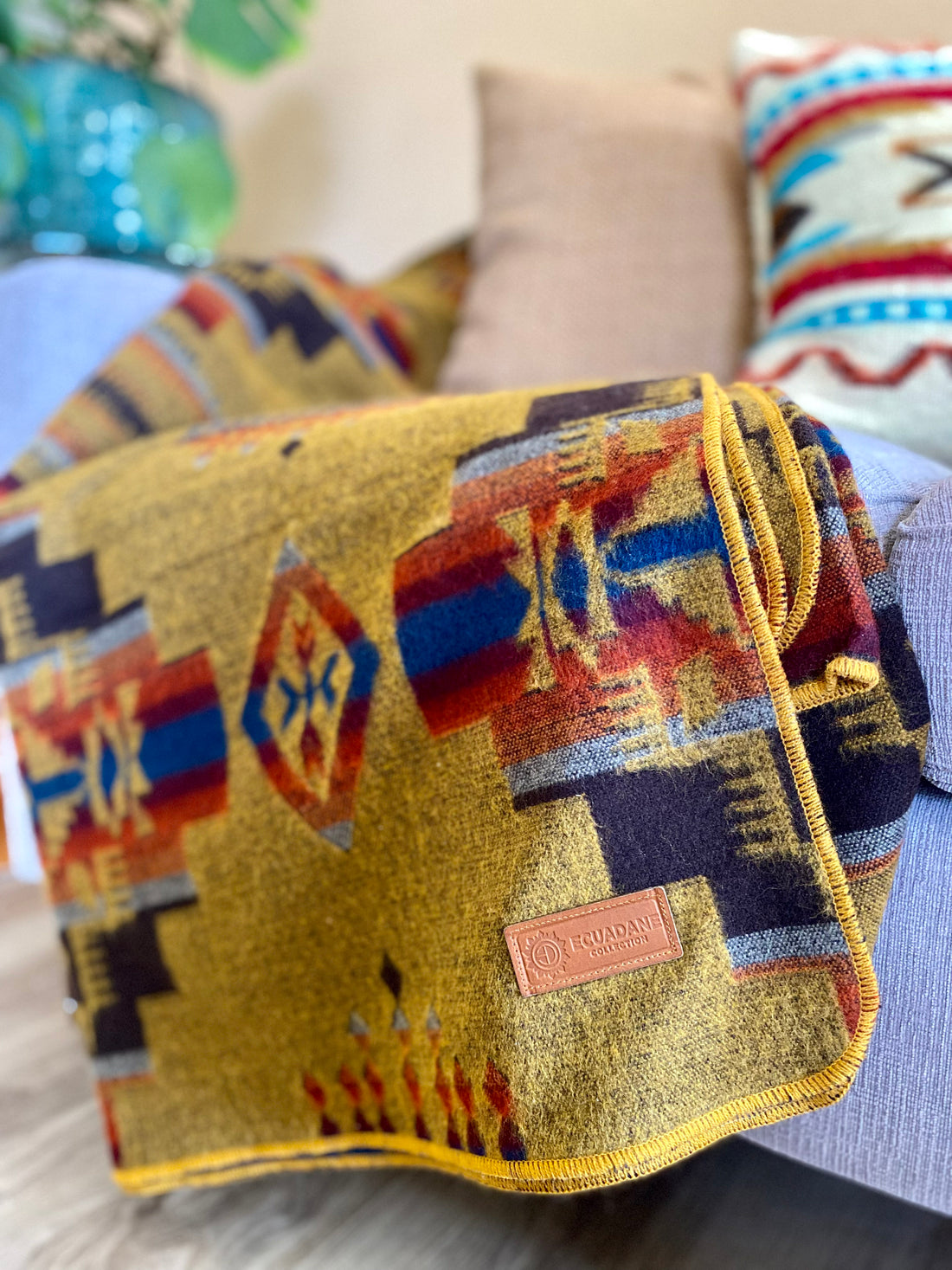
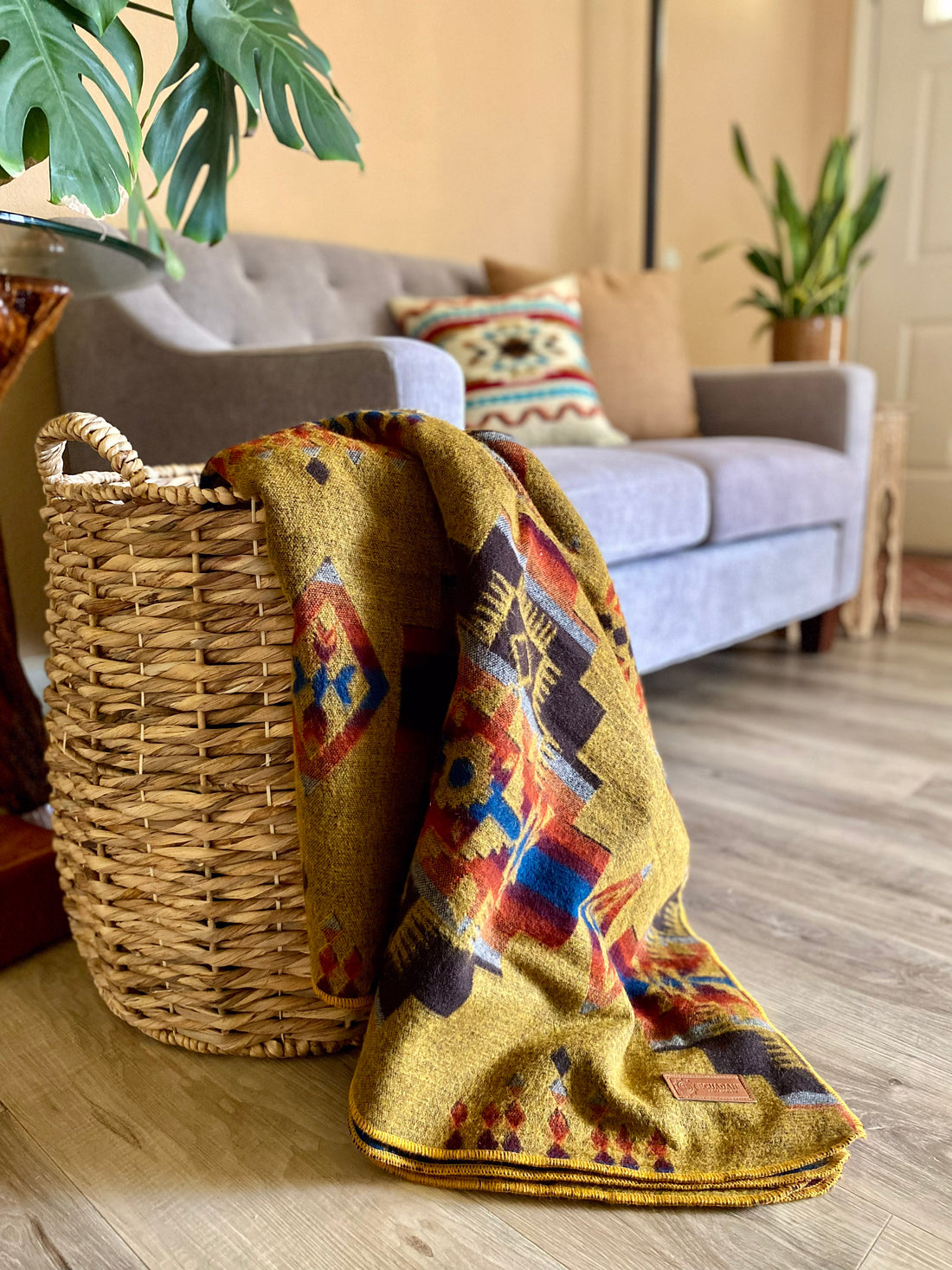 Vendor:Artisan-Made Southwestern Blanket - Andes AutumnEcuadane
- Regular price
-
$150.00 - Regular price
-
- Sale price
-
$150.00
Quick view
-
Artisan Southwestern Blanket - Cotacachi Sunset
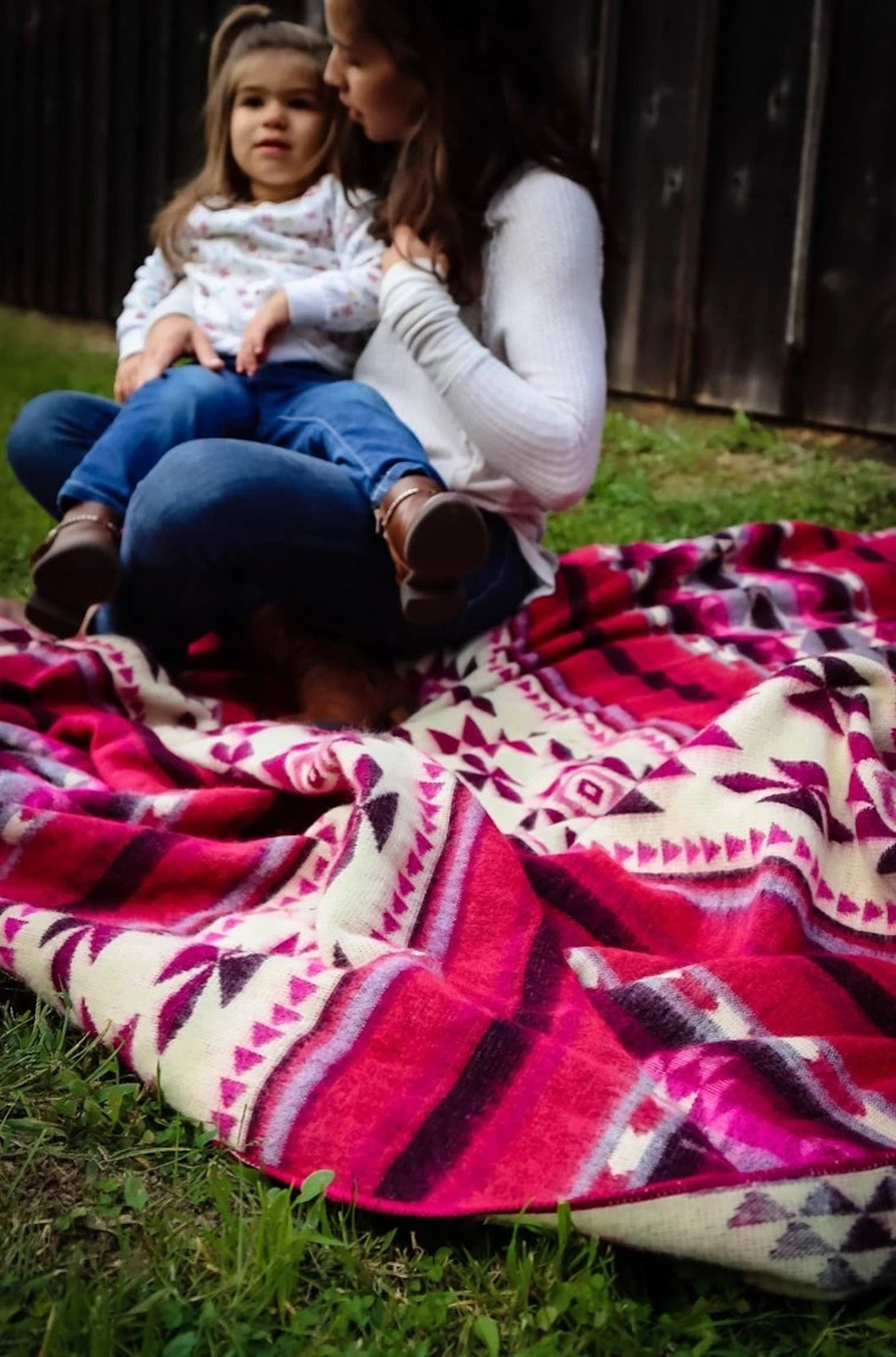
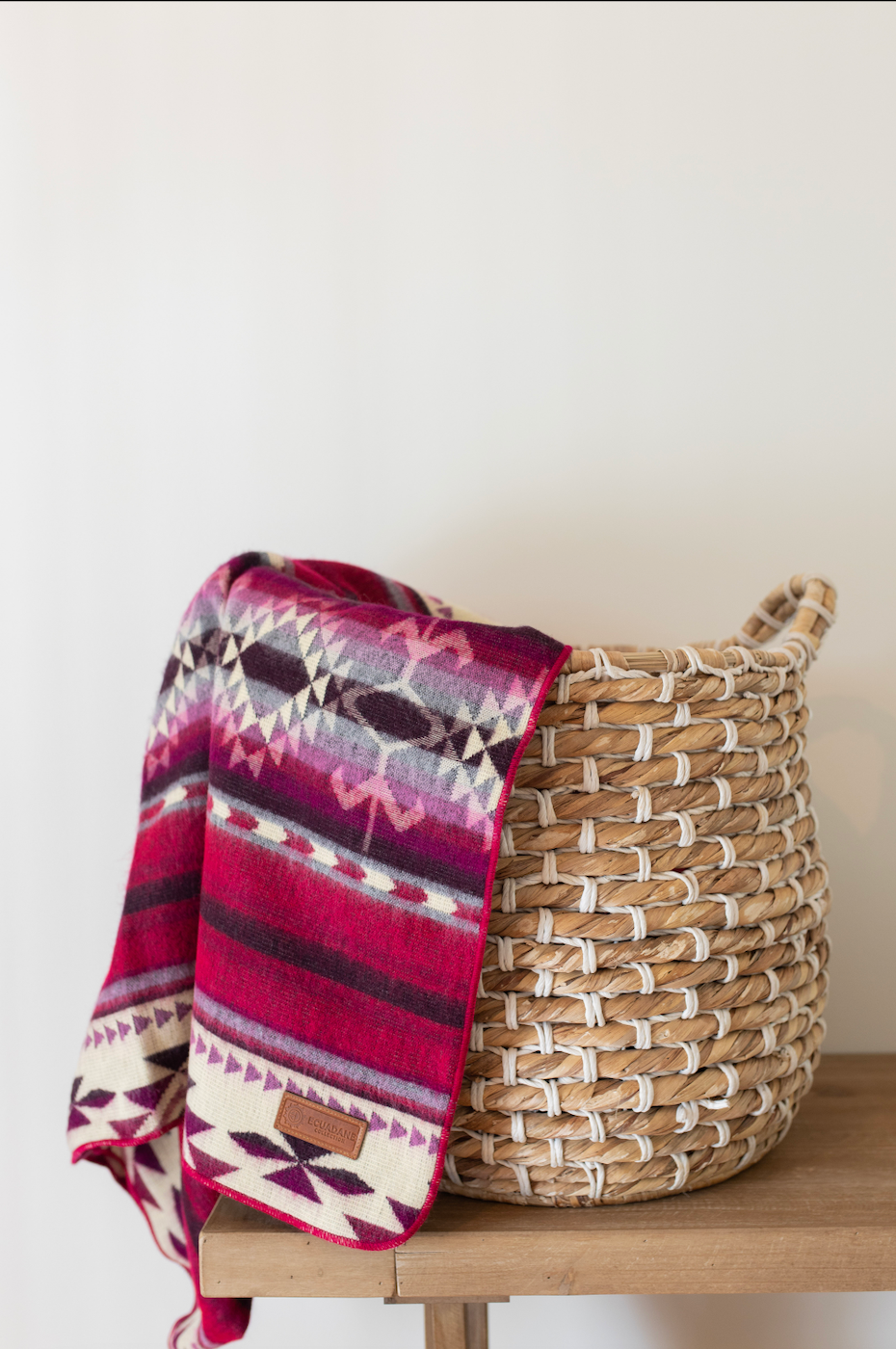 Vendor:Artisan Southwestern Blanket - Cotacachi SunsetEcuadane
- Regular price
-
$150.00 - Regular price
-
- Sale price
-
$150.00
Quick view
-
Artisan-Made Southwestern Queen-Sized Blanket - Andes Forest
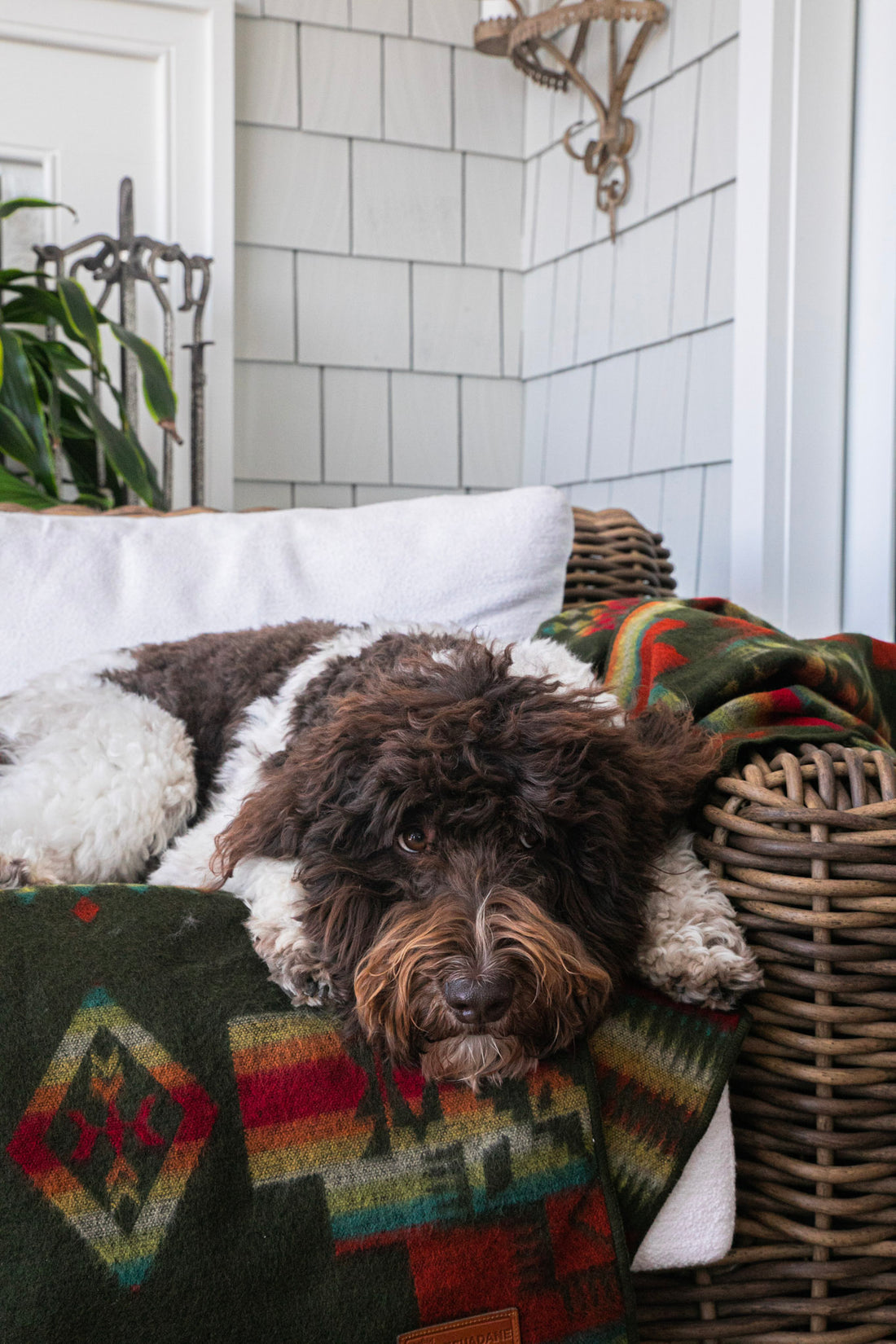
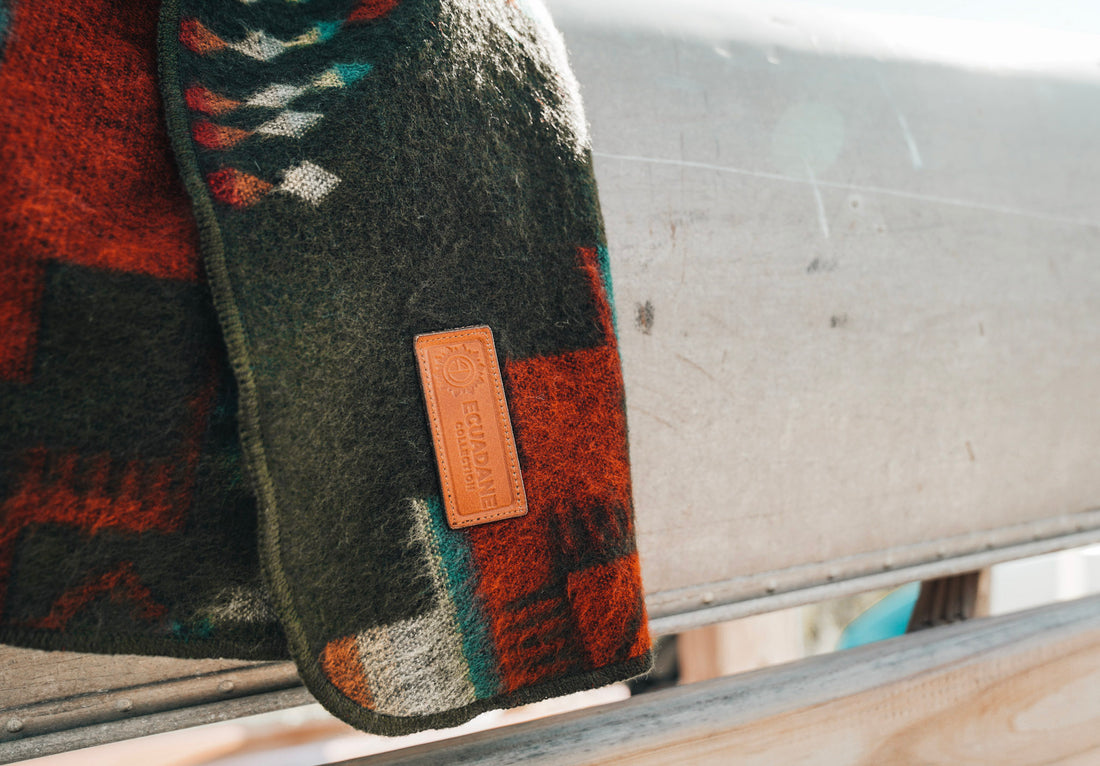 Vendor:Artisan-Made Southwestern Queen-Sized Blanket - Andes ForestEcuadane
- Regular price
-
$150.00 - Regular price
-
- Sale price
-
$150.00
Quick view
-
Corazon Wildfire Artisan Southwestern Blanket
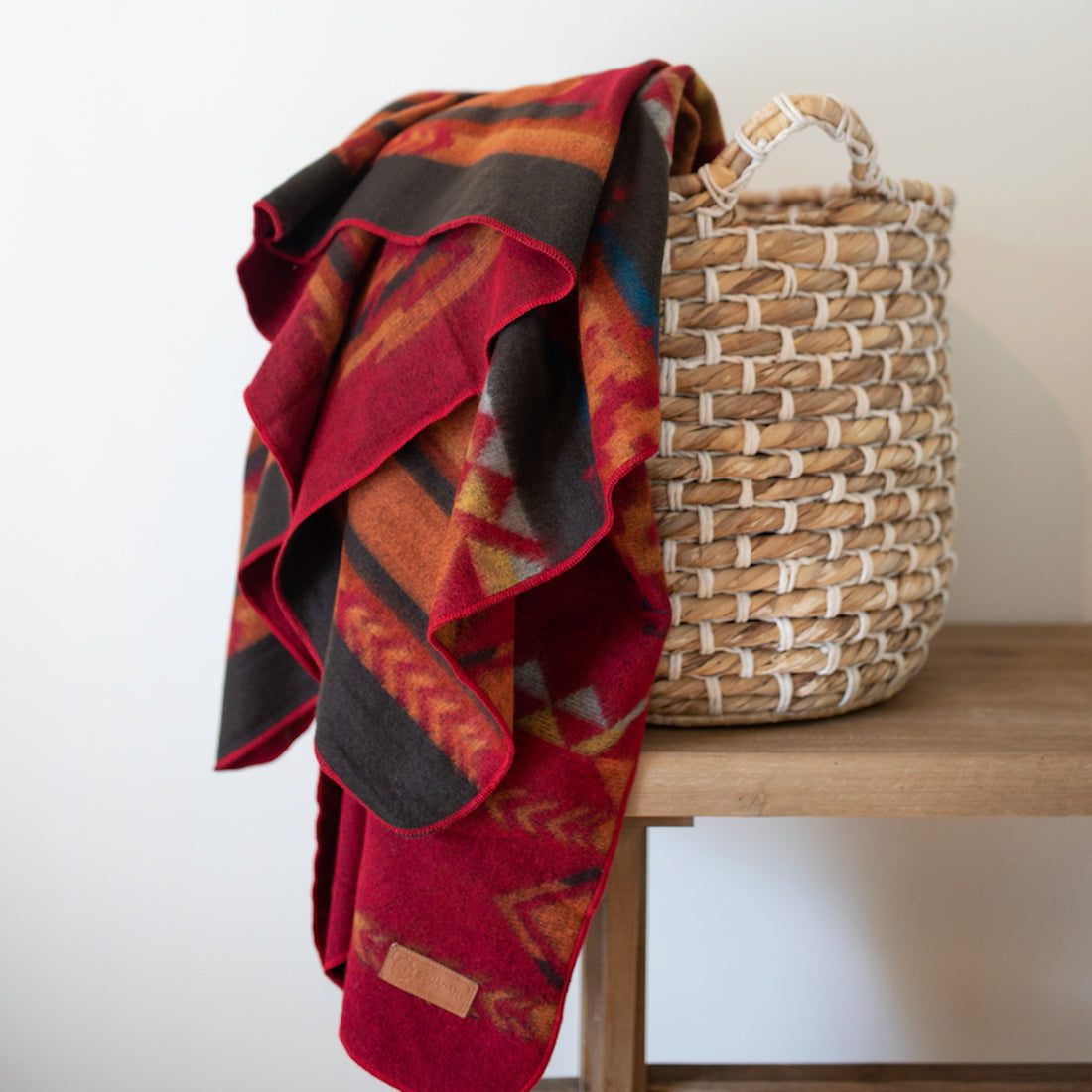
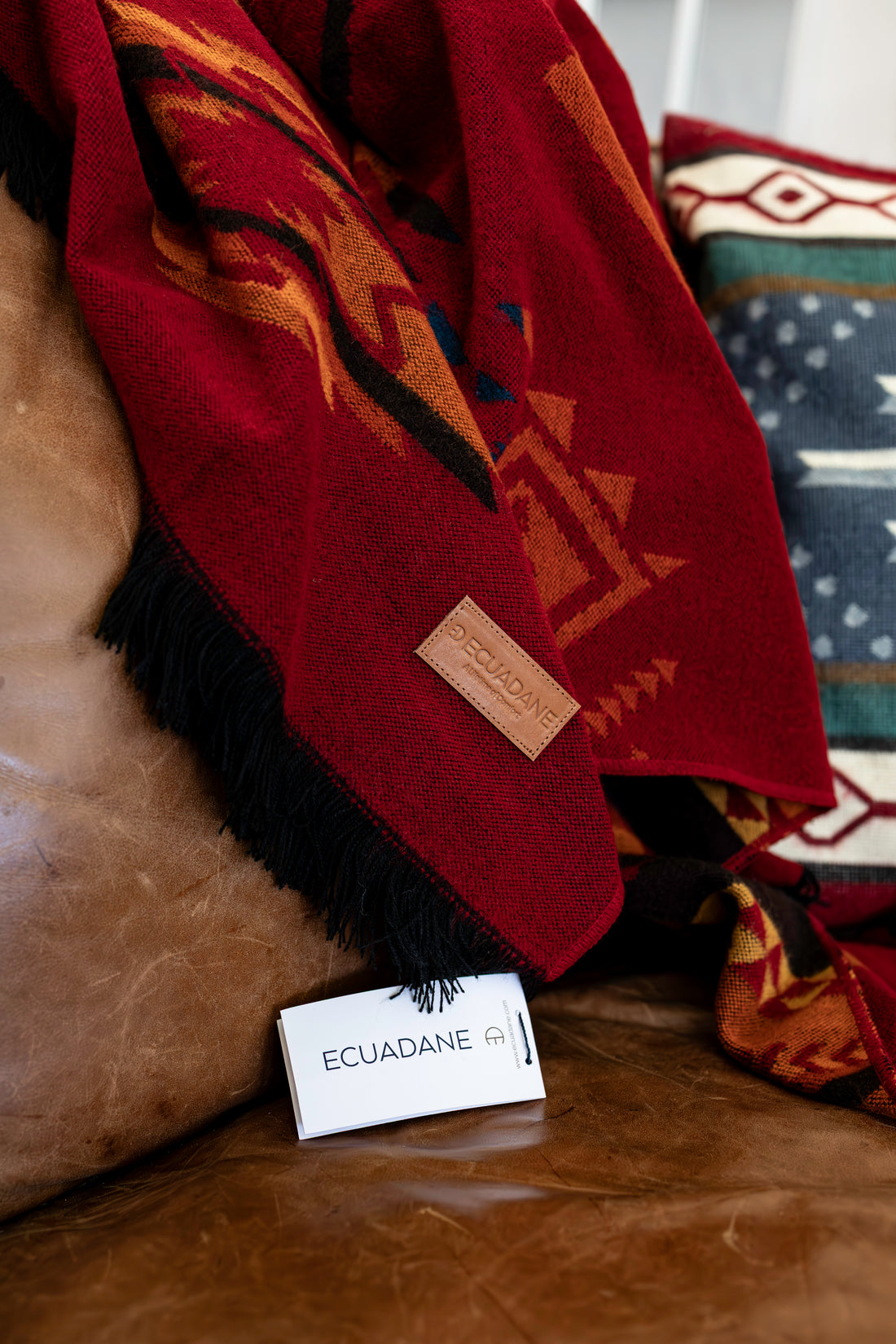 Vendor:Corazon Wildfire Artisan Southwestern BlanketEcuadane
- Regular price
-
$150.00 - Regular price
-
- Sale price
-
$150.00
Quick view
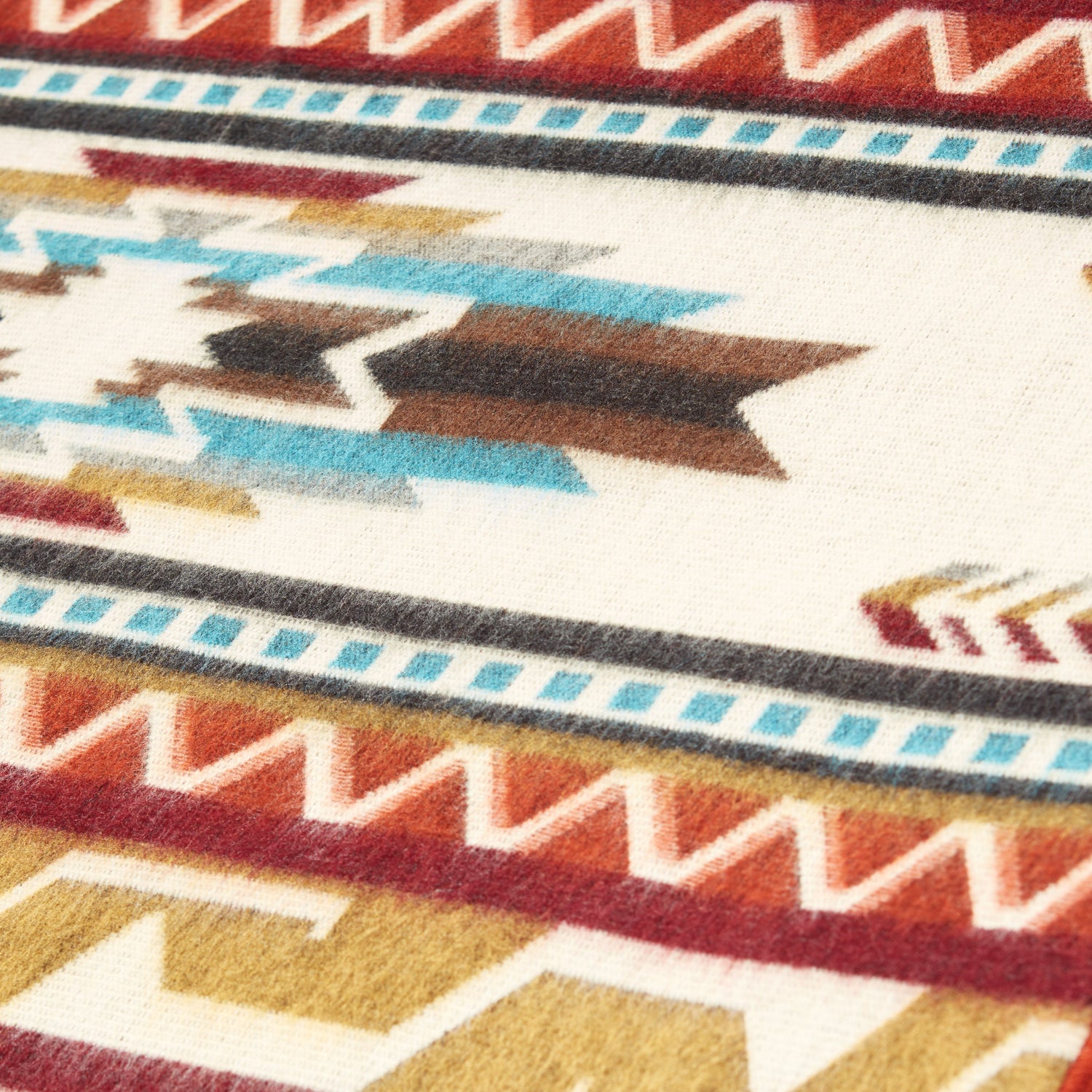
Master-Crafted Queen Blankets: The Anchor of the Bedroom
Our Southwestern Queen blankets are designed to be the definitive center-piece of your sleeping sanctuary. Measuring a generous 93" x 82", these are not mere accent pieces; they are full-scale bedding assets built to provide complete coverage and breathable warmth.
The bold symmetry of the Andean-inspired patterns creates an atmosphere of stability and restoration. Every weave is a testament to the enduring power of artisan design to transform a bedroom into a sanctuary of heritage and comfort.
Reversible Design: Two Masterpieces in One Blanket
Every Ecuadane Queen blanket features a fully reversible design, offering two distinct color palettes in a single textile. This versatility allows you to refresh your space instantly while enjoying the signature "performance cashmere" feel.
Artisan Craftsmanship: Hand-finished by family artisans in Ecuador, our blankets utilize a high-density weave that resists pilling and shedding. Unlike smaller throws, these large-scale textiles are engineered to maintain their structural integrity and vibrant color even after years of daily use as primary bedding.
Durable Comfort: Machine Washable Bedding for Real Life
We recognize that a Southwestern blanket must be as functional as it is beautiful. Our bedding collection is specifically engineered to endure the rigors of a busy household while maintaining its heirloom quality. Our blankets are crafted from 100% Recycled fibers, specifically designed for those who refuse to choose between luxury and utility.
-

100% Recycled Artisan Weave
* Full Queen Size: 93" x 82" for complete bed coverage.
- Machine Washable: Easily maintained at home without losing softness.
- Hypoallergenic: Safe for all skin types and family-friendly bedding.
-

The Performance Standard
* Breathable Warmth: High-loft fibers provide insulation without overheating.
- Pill-Resistant: Engineered to stay smooth and soft after repeated washing.
- Eco-Conscious: Crafted with recycled content and ethical artisan labor.


A Lasting Symbol of Love and Connection
Whether you are purchasing a single blanket for your home or seeking the ultimate real estate closing gift to welcome a client home, Ecuadane ensures your gesture is meaningful and enduring.
Every blanket is a Lifetime Guaranteed asset, reflecting our commitment to quality that stands the test of time. By choosing Ecuadane, you are weaving a message of love and unity into the fabric of your life.
Looking for a smaller accent piece? Explore our Southwestern Heritage Throws for the couch or travel." This helps the customer self-select if they accidentally landed on the Queen page.